
Why TIMP2 May Protect Brain Immune Cells From Age-Related Decline
TIMP2, short for tissue inhibitor of metalloproteinases 2, is emerging as a crucial protein in the study of brain aging and neuroimmunology.
Anúncios
As the central nervous system ages, resident immune cells known as microglia often transition from protective custodians into chronic sources of neuroinflammation.
Recent scientific investigations suggest that restoring youthful levels of TIMP2 can rejuvenate these specialized cells, preserving cognitive function and protecting against neurodegenerative disorders.
Understanding how this single protein influences microglial signaling offers critical insights into the future of anti-aging neuroscience and brain health therapies.
Key Takeaways
- TIMP2 is a naturally occurring protein that regulates extracellular matrix remodeling and cellular signaling in the central nervous system.
- Microglia, the primary immune cells of the brain, lose their functional efficiency with age, leading to persistent neuroinflammation and synaptic loss.
- Studies indicate that TIMP2 administration can restore youthful microglial activity, improving cellular cleanup and reducing damaging inflammatory signals.
- While preclinical research shows immense promise for cognitive preservation, human therapeutic applications are still undergoing rigorous clinical evaluation.
Understanding TIMP2 and Its Role in the Brain
Tissue inhibitor of metalloproteinases 2 (TIMP2) belongs to a family of proteins historically recognized for controlling matrix metalloproteinases (MMPs).
Matrix metalloproteinases are enzymes responsible for degrading extracellular structures, enabling tissue remodeling, growth, and repair throughout the body.
Within the central nervous system, however, TIMP2 performs functions that extend well beyond simple enzyme inhibition.
In healthy young tissue, TIMP2 maintains a delicate balance between structural integrity and dynamic remodeling.
It regulates the blood-brain barrier, supports synaptic plasticity, and modulates communication between neurons and glial cells.
As organisms age, systemic levels of TIMP2 naturally decline, particularly within blood plasma and the hippocampus—the brain region essential for memory consolidation.
This decline correlates directly with noticeable changes in brain function. Research into young blood plasma revitalizing older brains identified TIMP2 as a primary driver of cognitive rejuvenation.
Landmark research published by the National Institutes of Health demonstrated that introducing TIMP2 into aged models enhanced hippocampal plasticity and improved spatial memory, drawing intense interest from neuroscientists studying age-related cognitive impairment.
How Aging Alters Brain Immune Function
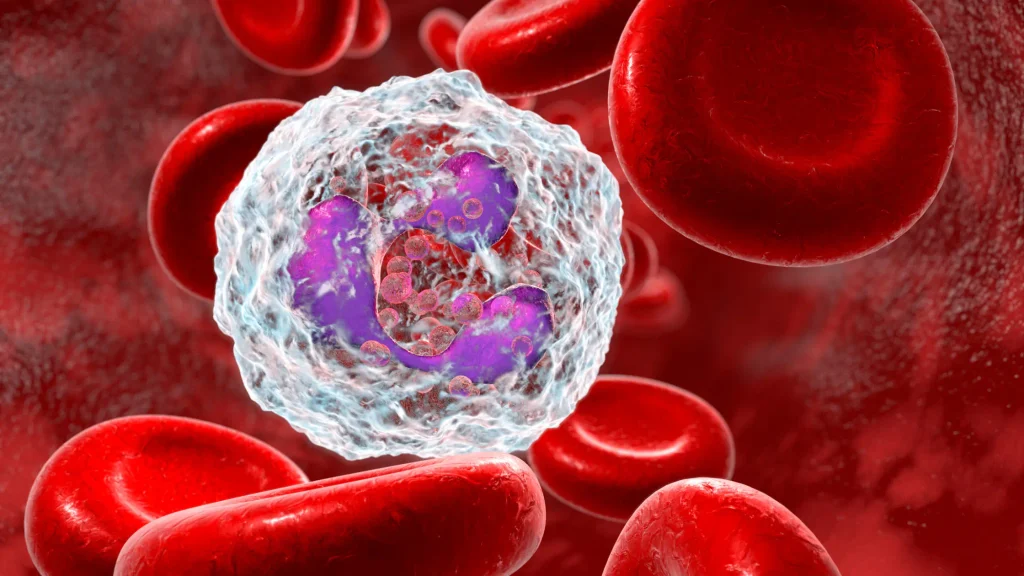
To appreciate how TIMP2 protects the brain, one must first examine how aging alters the central nervous system’s specialized immune defense: microglia.
Unlike peripheral immune cells, microglia remain inside the brain throughout an organism’s life, constantly scanning the neural environment to clear debris, clear damaged synapses, and defend against pathogens.
With advancing age, microglia undergo a transformative process often referred to as immune senescence or priming. Primed microglia exhibit several distinct functional impairments:
Persistent secretion of pro-inflammatory cytokines such as TNF-alpha, IL-1 beta, and IL-6.
Reduced capacity for phagocytosis, rendering them less capable of clearing metabolic waste and toxic protein aggregations like amyloid-beta.
Altered cell morphology, shifting from dynamic branching shapes to stunted, less responsive forms.
Heightened reactivity to minor systemic stressors, leading to exaggerated inflammatory responses.
This state of chronic, low-grade inflammation within the brain—frequently termed “inflammaging”—erodes neural connections and impairs the creation of new memories.
++ How the Claustrum Helps the Brain Prepare for Uncertainty Today
Preventing or reversing microglial dysfunction is therefore a prime objective in neurodegenerative disease research.
The Direct Impact of TIMP2 on Microglial Health
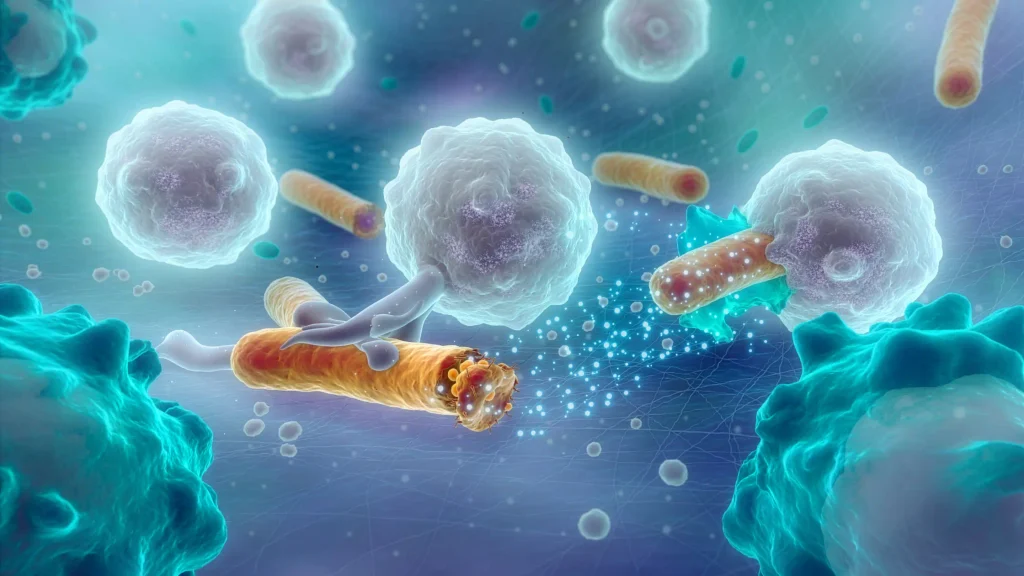
Recent mechanistic studies reveal that TIMP2 interacts directly with microglial receptors, reshaping their functional state.
Rather than acting solely as a passive inhibitor of tissue breakdown, TIMP2 serves as an active signaling molecule that dampens inflammatory pathways.
When TIMP2 engages brain immune cells, it helps deactivate the NF-kB signaling cascade, a major driver of pro-inflammatory gene expression.
By suppression of this pathway, microglia reduce their output of toxic molecules that otherwise harm adjacent neurons.
Consequently, the surrounding neural tissue experiences reduced oxidative stress and lower rates of non-functional cell death.
Furthermore, TIMP2 promotes the restorative properties of microglia. Rejuvenated microglia regain their youthful capacity to engulf debris and maintain synaptic connections.
Read more: Why Hebbian Learning Still Shapes Brain Connections Today
By preserving synaptic density in key regions like the hippocampus, TIMP2 helps protect the architectural foundation required for normal learning and memory processing.
TIMP2 Versus Other Neuroprotective Factors
Understanding how TIMP2 fits into the broader ecosystem of neuroprotective proteins helps contextualize its potential as a targeted therapy.
| Feature / Factor | TIMP2 | BDNF (Brain-Derived Neurotrophic Factor) | Klotho |
| Primary Mechanism | MMP regulation and microglial signaling | Neuronal survival and synaptic growth | Metabolic regulation and oxidative stress defense |
| Microglial Response | Suppresses pro-inflammatory signaling and restores phagocytosis | Indirectly modulates glial cells through neuronal signaling | Reduces systemic and central nervous system inflammation |
| Primary Target Cells | Microglia, endothelial cells, neurons | Neurons and synaptic clefts | Oligodendrocytes, neurons, and immune cells |
| Systemic Availability | Declines significantly with age in plasma and brain | Varies with physical activity and cognitive strain | Declines with age across multiple organ systems |
| Therapeutic Focus | Reversing immune senescence and neuroinflammation | Preserving neuronal architecture and learning capabilities | Promoting longevity and systemic resilience |
While factors like BDNF primarily focus on direct neuronal growth and survival, TIMP2 plays a distinct role by reshaping the immune microenvironment.
++ How Timely Goal Reminders Can Improve Daily Work Performance
By targeting the underlying neuroinflammatory drivers controlled by microglia, TIMP2 creates a stable setting in which factors like BDNF can operate effectively.
Practical Implications and Future Therapeutic Research
The discovery that TIMP2 rejuvenates brain immune cells opens several potential avenues for clinical medicine, though translation from laboratory findings to human treatment requires careful navigation.
Emerging Therapeutic Strategies
Researchers are currently evaluating multiple approaches to leverage TIMP2 biology for human health:
Recombinant Protein Delivery: Synthesizing purified TIMP2 proteins to introduce into circulation or directly into the central nervous system.
Gene Therapy: Utilizing viral vectors to restore endogenous TIMP2 production within specific brain regions or glial populations.
Small-Molecule Mimetics: Developing synthetic compounds that activate the specific receptors targeted by TIMP2 without requiring large protein delivery.
Lifestyle Interventions: Investigating how exercise, caloric regulation, and cardiovascular optimization naturally influence systemic TIMP2 levels.
Current Challenges and Limitations
Despite encouraging findings, translating TIMP2 research into standard medical care presents major technical challenges.
Passing large proteins across the blood-brain barrier efficiently remains a significant hurdle in drug delivery.
Additionally, because matrix metalloproteinases perform necessary roles in systemic tissue repair and vascular integrity, chronically altering TIMP2 levels throughout the entire body could lead to unintended off-target side effects.
Scientists must also determine the precise therapeutic window. Intervening before widespread neural loss occurs appears critical, as restoring microglial function is most beneficial when structural neural networks remain largely intact.
Ongoing biomedical studies logged with the U.S. National Library of Medicine continue to evaluate cellular therapies and biomarker responses to ensure both efficacy and safety in future interventions.
Conclusion
TIMP2 represents a pivotal link between systemic aging and central nervous system immune health.
By regulating extracellular matrix dynamics and directly suppressing hyperactive microglial inflammation, TIMP2 helps maintain a protective cellular environment in the aging brain.
As translational research advances, therapies designed to harness or mimic TIMP2 signaling may offer novel strategies to combat age-related cognitive decline and neurodegenerative disease.
To stay informed on safe brain health practices, individuals should consult qualified healthcare professionals regarding evidence-based strategies for maintaining cognitive vitality.
Frequently Asked Questions
What is the primary function of TIMP2 in the brain?
TIMP2 regulates matrix metalloproteinase activity and acts as a direct signaling molecule.
In the brain, it helps maintain structural integrity, regulates blood-brain barrier function, and dampens pro-inflammatory activity in microglial cells.
Can lifestyle changes naturally increase TIMP2 levels?
While direct clinical trials on lifestyle factors and human TIMP2 levels are ongoing, regular aerobic exercise and healthy cardiovascular habits are known to promote systemic factors that support overall neuroprotective signaling and vascular health.
Is TIMP2 currently available as a supplement or treatment?
No, TIMP2 is not available as an over-the-counter supplement or approved medical therapy.
It is a complex protein currently being studied in preclinical research and specialized laboratory settings to determine safety, dosage, and delivery methods.
++ The ‘youth protein’ that protects brain cells from age-related decline
++ The Youth Protein TIMP2 and What It Means for Brain Aging
