
Why Neural Oscillations Matter for Memory and Attention
Compréhension Neural Oscillations remains fundamentally crucial for unlocking exactly how human brains successfully encode complex memories and sustain focused attention throughout our highly demanding daily routines.
Annonces
Researchers continually discover fascinating connections between rhythmic brain activity and cognitive performance optimization.
Advancements in non-invasive neuroimaging provide unprecedented clarity into these microscopic electrical symphonies.
Navigating this complex subject requires structured exploration across multiple specialized domains.
The following sequential guide delineates fundamental concepts before transitioning toward advanced clinical applications and methodologies.
Table of Contents features critical sections regarding foundational rhythm definitions, memory consolidation mechanics, attentional frequency links, statistical baseline comparisons, and common inquiries regarding daily cognitive enhancement techniques.
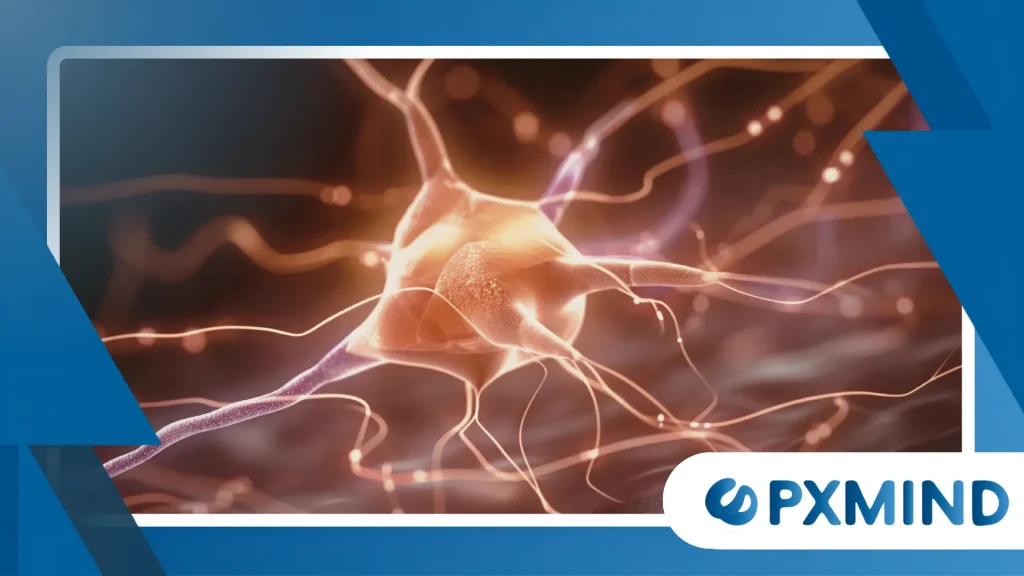
What Are Foundational Brain Rhythms?
Rhythmic electrical patterns naturally emerge when vast networks of interconnected neurons synchronize their firing rates.
Scientists measure these dynamic frequencies using specialized electroencephalography equipment tracking cognitive states.
Different frequency bands dictate specific mental operations seamlessly continuously.
Étudier Neural Oscillations allows clinicians to pinpoint precise markers for healthy cognitive aging or early neurodegenerative decline accurately.
Alpha waves govern relaxed alertness, while beta waves dominate active problem-solving tasks.
Gamma frequencies coordinate high-level sensory processing, binding fragmented information into singular conscious experiences efficiently.
Delta rhythms dominate restorative deep sleep phases nightly. Theta waves prominently emerge during spatial navigation exercises, facilitating rapid memory encoding processes across vast hippocampal tissue networks.
Identifying unique electromagnetic signatures helps neuroscientists decode hidden physiological languages.
Variations within baseline electrical production often indicate underlying structural anomalies requiring immediate specialized medical intervention strategies.
How Do Rhythms Impact Memory Formation?
Memory consolidation depends heavily upon robust slow-wave sleep cycles nightly.
Deep restorative slumber facilitates crucial synchronization between the hippocampus and neocortex, permanently solidifying newly acquired facts.
During active learning phases, theta rhythms seamlessly bridge communication across distant cortical regions.
Optimal Neural Oscillations ensure transient sensory inputs successfully transition into durable long-term storage banks.
Disruptions within these delicate synchronization processes often precipitate severe memory deficits.
Clinical studies consistently link irregular theta bursting patterns with early onset Alzheimer’s pathology progression timelines.
Furthermore, targeted acoustic stimulation during sleep demonstrably enhances slow-wave amplitudes safely.
Volunteers experiencing phase-locked auditory beats report significantly improved vocabulary retention scores following consecutive overnight experimental trials.
++ Pourquoi la conscience interoceptive est importante pour le fonctionnement du cerveau
Such promising therapeutic avenues emphasize why preserving structural brain integrity matters immensely.
Protecting natural rhythmic coherence safeguards individual identity by preserving precious autobiographical memory networks against decay.
Why Is Attention Linked to Specific Frequencies?
Focus requires suppressing irrelevant environmental stimuli while simultaneously amplifying target sensory signals.
Alpha band power increases significantly across visual cortex areas representing ignored spatial locations during concentration.
Diminished alpha synchronization typically results in heightened distractibility among diverse patient populations.
Regulating Neural Oscillations presents a remarkably promising therapeutic avenue for addressing chronic attention deficit disorders.
Current federal research initiatives highlight neuromodulation efficacy definitively.
You can explore detailed funding outcomes via the Instituts nationaux de la santé, which extensively documents ongoing cognitive enhancement trials.
Sustaining intense mental effort depletes metabolic resources rapidly over time.
Beta wave desynchronization actively correlates with subjective fatigue reports following prolonged cognitive vigilance testing scenarios globally.
Fortunately, brief restorative breaks rapidly restore baseline electrical equilibrium efficiently.
Implementing structured rest intervals prevents catastrophic attentional failures during high-stakes occupational operations demanding unyielding perceptual acuity.

2026 Statistical Comparisons of Frequency Bands
Recent neurological surveys reveal striking correlations between dominant brainwave states and professional productivity metrics.
Quantifiable data clearly demonstrates how varying frequencies impact daily task execution directly.
Reviewing structured empirical data clarifies complex neurophysiological interactions beautifully.
En savoir plus: La science des engrammes mnésiques et du stockage à long terme
The accompanying dataset illustrates precisely how distinct bandwidths correspond with specific behavioral outcomes documented throughout current literature.
| Band Category | Frequency Range | Primary Cognitive Function (2026 Consensus) | Productivity Correlation |
| Delta Waves | 0.5 – 4 Hz | Deep sleep, cellular neural restoration | N/A (Unconscious Rest State) |
| Theta Waves | 4 – 8 Hz | Memory encoding, complex spatial navigation | Highly active during learning |
| Alpha Waves | 8 – 12 Hz | Sensory suppression, relaxed focused state | Elevated during strategic planning |
| Beta Waves | 12 – 30 Hz | Active concentration, voluntary motor control | Peak physical task execution |
| Gamma Waves | 30 – 100 Hz | Complex binding, unified conscious perception | Intense analytic problem solving |
Analyzing this contemporary dataset confirms historical hypotheses regarding human cognition accurately.
Distinct rhythmic bands clearly orchestrate separate but highly complementary facets of intelligent behavioral responses continually.
Technological innovations now permit real-time frequency tracking via commercial consumer wearables.
Monitoring personal Neural Oscillations empowers individuals to optimize daily scheduling around natural biological peak focus windows.
Wearable biofeedback systems represent paradigm shifts regarding personal health management strategies.
++ Le réseau du mode par défaut du cerveau : la rêverie en action
Users proactively modify their environmental variables upon detecting unfavorable electrical signatures preceding severe mental exhaustion phases.
How Does Neuromodulation Enhance Daily Focus?
Non-invasive brain stimulation techniques cautiously introduce weak electrical currents through the scalp.
These gentle interventions coax endogenous firing patterns toward more optimal, highly focused cognitive states safely.
Transcranial alternating current stimulation shows remarkable clinical promise for broad cognitive enhancement.
Targeting specific cortical networks significantly amplifies working memory capacity across diverse participant age groups consistently.
Personalized interventions rely upon mapping resting baseline rhythmic signatures beforehand meticulously.
Artificial intelligence algorithms analyze individual Neural Oscillations to determine precise stimulation parameters yielding maximum cognitive benefits.
Precision medicine approaches guarantee treatments match unique anatomical variations perfectly.
Customized neurological therapies systematically eliminate guesswork, accelerating patient recovery timelines following traumatic brain injuries or severe concussions.
Future medical landscapes will undoubtedly integrate these targeted electrical therapies universally.
Pharmaco-resistant psychiatric conditions often respond exceptionally well when exposed to precisely calibrated electromagnetic interference protocols clinically.
Alongside direct stimulation, non-invasive biofeedback training demonstrates immense long-term efficacy independently.
Patients actively learn conscious regulation strategies, utilizing real-time visual interfaces displaying their ongoing cortical electrical activity.
Empowering individuals with autonomous regulatory skills reduces dependency upon pharmacological interventions significantly.
Sustainable mental wellness requires equipping patients with internal tools necessary for independent psychological stabilization.
Foire aux questions
Many readers harbor curious inquiries regarding practical applications of modern neuroscience.
Addressing these common concerns illuminates how laboratory discoveries translate directly into tangible lifestyle improvements daily.
Can intensive meditation alter brainwave activity permanently?
Consistent mindfulness practices generate immediate physiological shifts toward alpha and theta dominance.
Longitudinal studies suggest experienced meditators permanently increase baseline gray matter density alongside stabilized rhythmic coherence.
Are consumer electroencephalography headsets actually scientifically reliable?
Commercial devices lack the dense sensor arrays utilized within clinical laboratory environments.
However, premium models currently offer sufficient accuracy for basic biofeedback training and general relaxation monitoring.
Do daily dietary choices influence electrical brain patterns?
Metabolic health directly dictates synaptic efficiency and overall baseline neurological performance.
Consuming adequate omega fatty acids ensures optimal cellular membrane fluidity required for rapid electrical signal propagation.
Does chronic stress disrupt natural cognitive frequencies negatively?
Prolonged cortisol exposure provokes severe neurotoxicity within vital hippocampal memory centers.
Elevated systemic stress unequivocally degrades healthy rhythmic synchrony, precipitating severe brain fog and diminished concentration spans.
Conclusion
Emerging neurotechnologies promise unprecedented mastery over our own complex mental states.
Tomorrow’s therapeutics will likely leverage sophisticated biometric feedback loops to continuously optimize human cognitive endurance automatically.
Mastering the delicate physiological mechanics behind Neural Oscillations unlocks vast human potential.
Researchers stand merely at the thrilling precipice of understanding how rhythmic electricity creates conscious experiences.
Dedicated scholars should pursue rigorously peer-reviewed academic literature regarding neurophysiology advancements continually.
Prestigious institutions like Université de Stanford publish exceptional journals detailing cutting-edge discoveries shaping tomorrow’s medical landscape.
Translating theoretical concepts into actionable daily habits requires immense personal discipline.
Implement evidence-based lifestyle modifications gradually to construct resilient neural architectures capable of withstanding inevitable aging processes.
Take proactive steps toward safeguarding your invaluable cognitive health effectively immediately.
Prioritize rigorous sleep hygiene, engage in continuous lifelong learning, and aggressively protect your most vital biological asset.
++ Targeting Neural Oscillations for Cognitive Enhancement in Alzheimer’s Disease
++ Memory and brain dynamics: Oscillations integrating attention, perception, learning, and memory