
La science des engrammes mnésiques et du stockage à long terme
Compréhension Engrammes de mémoire et stockage à long terme demeure l'une des quêtes les plus profondes des neurosciences modernes.
Annonces
Les chercheurs sont constamment à la recherche des lieux physiques précis où résident de façon permanente nos expériences de vie.
Notre résumé explore les mécanismes biologiques sous-jacents à la rétention cognitive.
Nous examinons les changements cellulaires, les voies neurologiques et les régions cérébrales spécifiques responsables du maintien de l'accessibilité des événements passés au fil du temps.
Vous découvrirez comment des signaux électriques transitoires se transforment en connexions physiques durables.
Des analyses d'experts révèlent l'architecture biologique précise qui sous-tend notre capacité à nous souvenir de tout, de l'enfance à hier.

Que sont les engrammes de mémoire d'un point de vue biologique ?
Les scientifiques définissent un engramme comme la trace physique d'un souvenir spécifique.
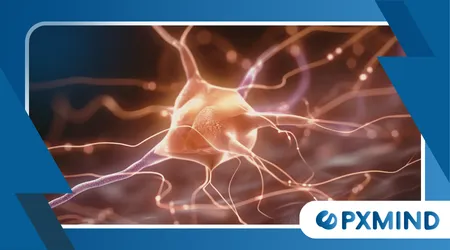
De petits groupes de neurones s'activent simultanément lors d'une expérience, créant ainsi un réseau spécialisé dédié à cet événement.
Ces ensembles neuronaux subissent des modifications chimiques et structurelles pour fixer l'information.
Chaque fois que vous vous remémorez un moment précis, votre cerveau réactive ce réseau cellulaire précis pour le récupérer.
Les techniques optogénétiques modernes permettent aux chercheurs de marquer ces groupes de neurones spécifiques.
L'activation artificielle de ces cellules ciblées peut déclencher le rappel précis d'un événement passé spécifique chez des modèles animaux.
De telles découvertes prouvent que les souvenirs possèdent une véritable présence physique à l'intérieur de votre crâne.
Ce ne sont pas de simples concepts abstraits, mais des structures biologiques tangibles qui nécessitent de l'énergie métabolique pour survivre.
Comment fonctionne réellement la consolidation cellulaire ?
La formation d'un souvenir durable nécessite un processus appelé potentialisation à long terme.
Les synapses entre les neurones actifs se renforcent considérablement, permettant aux signaux électriques de circuler beaucoup plus rapidement à travers le réseau nouvellement formé.
Durant cette phase critique, les messagers chimiques circulent rapidement à travers les espaces synaptiques.
Le glutamate se lie à des récepteurs spécialisés, incitant le neurone récepteur à construire de nouvelles épines dendritiques pour une connectivité plus forte.
La synthèse protéique joue un rôle indispensable dans la stabilisation de ces changements cellulaires.
Sans nouvelles protéines, les connexions s'affaiblissent rapidement et les informations nouvellement acquises disparaissent en quelques heures.
Le sommeil facilite activement et sans heurt ce processus intense de remodelage structurel.
++ Comment la séparation des schémas aide le cerveau à éviter les faux souvenirs
Pendant votre repos, vos circuits neuronaux rejouent sans cesse les expériences quotidiennes, ancrant ces nouvelles connexions dans un état physique durable.
Quelles régions du cerveau gèrent le stockage à long terme ?
L'hippocampe fait office de premier studio d'enregistrement pour les nouvelles expériences.
Il traite rapidement les événements quotidiens, mais ne conserve ces données entrantes que pendant une période relativement courte.
Au fil du temps, la consolidation des systèmes transfère ces traces délicates au néocortex.
Cette couche extérieure massive fait office de coffre-fort ultime pour Engrammes de mémoire et stockage à long terme sur plusieurs décennies.
En savoir plus: Pourquoi la théorie du traitement prédictif du cerveau suscite-t-elle un tel intérêt ?
La répartition de l'information sur toute la surface corticale protège votre histoire de vie contre les dommages localisés.
Différents aspects d'un même souvenir résident simultanément dans les aires de traitement visuel, auditif et spatial.
| Région du cerveau | Fonction de mémoire primaire | Vitesse de traitement |
| Hippocampe | Encodage initial et navigation spatiale | Acquisition rapide |
| Cortex préfrontal | mémoire de travail et récupération exécutive | Rythme modéré |
| Amygdale | Attachement à la mémoire émotionnelle et conditionnement à la peur | Réaction instantanée |
| Néocortex | stockage de mémoire déclarative permanente | Consolidation lente |
Quel est le rôle de la neuroplasticité ?
La neuroplasticité est fondamentalement le moteur de tout le mécanisme d'adaptabilité humaine.
Votre cerveau remodèle constamment son architecture interne en réponse directe aux exigences de l'environnement, aux habitudes quotidiennes et aux nouvelles expériences éducatives.
L'élagage synaptique élimine les informations superflues de notre quotidien. En supprimant les connexions faibles, il garantit que les voies neuronales essentielles reçoivent les ressources métaboliques nécessaires à leur fonctionnement optimal.
La neurogenèse adulte fournit du matériel cellulaire frais pour les circuits essentiels de la mémoire.
La naissance continue de nouvelles cellules, notamment dans le gyrus denté, permet de distinguer des événements très similaires susceptibles de se confondre.
++ Pourquoi votre cerveau apprend mieux lorsque vous faites plus de pauses
Le vieillissement ralentit naturellement quelque peu ce processus rapide de remodelage structurel.
Cependant, le maintien d'un niveau élevé d'engagement cognitif peut préserver efficacement votre plasticité biologique jusqu'à un âge avancé.
Quelles technologies permettent de cartographier la mémoire humaine ?
L'imagerie par résonance magnétique fonctionnelle a révolutionné de manière significative la recherche cognitive.
Les scanners avancés permettent aux scientifiques de suivre les variations du flux sanguin, mettant en évidence précisément les zones qui s'activent lors de l'exécution de tâches complexes et de la récupération active des informations.
L'électroencéphalographie enregistre les rapides échanges électriques entre des régions cérébrales distantes.
Le suivi des ondes cérébrales aide les chercheurs à comprendre le calendrier précis du transfert d'informations pendant les phases de fuseaux de sommeil et de consolidation des ondes lentes.
La microscopie biphotonique offre une vision microscopique sans précédent des tissus vivants.
Les observateurs peuvent littéralement voir les épines dendritiques individuelles croître ou rétrécir en temps réel pendant qu'un animal apprend une tâche totalement nouvelle.
Ces outils sophistiqués confirment que nos histoires personnelles fonctionnent comme des entités biologiques.
Conservation Engrammes de mémoire et stockage à long terme Cela nécessite un effort cellulaire continu et une orchestration précise à l'échelle de milliards de cellules individuelles.
Pourquoi oublions-nous parfois des détails importants ?
L'oubli représente une caractéristique cognitive saine plutôt qu'une défaillance structurelle inévitable.
Votre système biologique élimine activement les connexions synaptiques inutilisées afin de prévenir une surcharge sensorielle importante et de maintenir son efficacité opérationnelle.
La dégradation naturelle cible les engrammes qui font rarement l'objet d'une récupération active.
Si l'on cesse d'accéder à une voie neuronale spécifique, les protéines structurelles se dégradent naturellement, effaçant progressivement et définitivement la trace cognitive associée.
Les hormones du stress perturbent également fortement les processus de récupération précis.
Des niveaux élevés de cortisol empêchent l'hippocampe d'accéder aux données stockées, ce qui explique pourquoi les examens provoquent souvent des trous de mémoire soudains et frustrants.
Des recherches de pointe menées par des institutions faisant autorité comme Neurosciences naturelles démontre des techniques fascinantes de sauvetage cellulaire.
La stimulation artificielle des cellules engrammes dormantes peut rétablir avec succès l'accès à des voies d'information apparemment perdues.
Quand les traces à court terme deviennent-elles permanentes ?
La consolidation opère simultanément sur plusieurs échelles de temps interagissantes.
La stabilisation cellulaire se produit dans les premières heures, nécessitant impérativement une expression génique immédiate et des ajustements moléculaires locaux au niveau de la synapse.
Une réorganisation au niveau des systèmes prend des semaines, voire plusieurs années, pour être entièrement menée à bien.
Le passage progressif d'une dépendance hippocampique à une dépendance corticale exige un dialogue structurel continu entre différents centres neuronaux.
L'excitation émotionnelle accélère fortement ce processus complexe de stabilisation.
Les événements accompagnés d'une joie importante ou d'une peur intense échappent aux mécanismes de filtrage standard et bénéficient d'un traitement prioritaire pour une mémorisation rapide et permanente.
La réexposition aux stimuli associés renforce fortement la voie neuronale en développement.
Sentir une odeur familière ou entendre une vieille chanson peut instantanément déclencher et renforcer un engramme fragile en développement.
Quelles sont les dernières découvertes en sciences de la mémoire ?
Des avancées récentes remettent en question les hypothèses plus anciennes concernant les réseaux neuronaux purement statiques.
Les chercheurs comprennent désormais que la récupération d'un souvenir le rend temporairement instable et très vulnérable aux modifications ou altérations externes.
La reconsolidation exige que le cerveau enregistre à nouveau le souvenir. Chaque fois que vous vous souvenez de quelque chose, vous réécrivez en quelque sorte le fichier biologique, intégrant parfois les émotions actuelles à l'événement passé.
Les scientifiques explorent activement des interventions pharmacologiques ciblant cette fenêtre de reconsolidation spécifique.
La mise au point de thérapies pourrait à terme aider les patients à atténuer en toute sécurité l'impact émotionnel associé aux troubles de stress post-traumatique graves.
L'épigénétique ajoute une dimension fascinante supplémentaire aux études sur la rétention cognitive.
Les facteurs environnementaux modifient physiquement la façon dont les gènes liés à la mémoire s'expriment, influençant directement la capacité innée d'un individu à apprendre de nouvelles compétences complexes.
Comment optimiser la rétention cognitive ? Engrammes mnésiques et stockage à long terme
Pour optimiser votre santé neuronale, un entretien biologique quotidien et régulier est indispensable.
Un sommeil suffisant, un exercice cardiovasculaire vigoureux et des défis intellectuels constants favorisent activement la naissance de nouveaux neurones sains dans l'hippocampe.
La nutrition fournit les éléments constitutifs essentiels à une plasticité synaptique robuste.
La consommation d'acides gras oméga-3 contribue fortement à l'intégrité structurelle nécessaire au maintien Engrammes de mémoire et stockage à long terme efficacement.
La répétition espacée demeure l'outil comportemental ultime pour consolider les connaissances.
La révision des informations à intervalles stratégiques oblige vos réseaux neuronaux à renforcer leurs connexions physiques grâce à un engagement cognitif actif et répété.
Les neurosciences dévoilent sans cesse les magnifiques complexités biologiques cachées au cœur de notre esprit.
Pour explorer plus en profondeur la littérature scientifique sur les fonctions cognitives, vous pouvez consulter les vastes archives disponibles sur Cell Press Neuroscience.
Foire aux questions
Qu'est-ce qu'un engramme de mémoire exactement ?
Un engramme représente la manifestation physique précise d'un souvenir. Il est constitué d'un réseau dédié de neurones interconnectés qui se connectent lors d'une expérience d'apprentissage spécifique.
Comment le sommeil influence-t-il la rétention cognitive ?
Le sommeil déclenche automatiquement des processus de maintenance biologique essentiels.
Pendant le sommeil profond, votre cerveau rejoue activement les expériences quotidiennes, transférant les traces fragiles de l'hippocampe dans le néocortex pour une sauvegarde robuste et hautement permanente.
Pourquoi les moments émotionnels durent-ils toute une vie ?
Les expériences émotionnelles intenses déclenchent instantanément des libérations massives de substances neurochimiques.
L'activation de l'amygdale identifie ces événements comme cruciaux pour la survie, forçant le cerveau à privilégier leur consolidation structurelle immédiate par rapport aux détails quotidiens les plus banals.
Quelles protéines sont essentielles au stockage des connaissances ?
Des protéines moléculaires spécifiques agissent comme des interrupteurs maîtres pour la rétention cognitive.
L'activation de ces éléments spécialisés active les gènes essentiels nécessaires à la construction de la structure qui emprisonne physiquement les nouvelles informations.