
情緒慣性如何影響長期心理健康
Emotional Inertia defines the psychological tendency for an individual’s affective state to resist change over time, holding mood static despite shifting external circumstances.
廣告
Unpacking this resistance reveals critical insights regarding daily mood dynamics, clinical depression risks, and psychological flexibility, helping individuals regain control over persistent internal states effectively.
Understanding affective persistence empowers researchers and clinicians to design targeted interventions, offering clearer pathways toward sustained psychological resilience and improved overall mental health outcomes.
目錄
What Is Emotional Inertia and How Does It Function?
Why Does High Emotional Inertia Signal Psychological Distress?
How Does Affective Resistance Impact Daily Decision-Making?
Statistical Insights: Emotional Flexibility Metrics
What Science-Backed Strategies Break Emotional Stagnation?
常見問題解答
結論

What Is Emotional Inertia and How Does It Function?
Psychologists measure affective resistance by observing how past emotional states predict current internal feelings across consecutive temporal intervals during routine daily activities.
When someone experiences low resistance, feelings adapt fluidly to environmental shifts, while high persistence locks the mind into prolonged negative or positive trajectories.
Neuroscience suggests that neural circuits governing self-referential thought maintain these rigid emotional loops, making automatic recovery from distressing occurrences significantly harder for vulnerable individuals.
Consequently, high emotional inertia acts like psychological friction, preventing natural emotional decay and trapping people within lingering moods long after triggers vanish.
Observing these patterns helps clinicians identify subtle shifts in mental wellness before full-blown depressive episodes manifest within clinical or outpatient settings.
Why Does High Emotional Inertia Signal Psychological Distress?
Clinical research consistently links rigid affect dynamics with major depressive disorder, generalized anxiety, and poor stress recovery following unexpected personal challenges.
Individuals trapped in negative affective states struggle to process novel external rewards, effectively blunting positive feedback from healthy social interactions and fulfilling work achievements.
According to comprehensive studies compiled by the 美國國立衛生研究院, reduced affective flexibility correlates strongly with impaired emotional regulation across diverse age demographics.
Sustained low mood diminishes motivation, impairs problem-solving abilities, and exhausts cognitive resources necessary for navigating complex interpersonal conflicts or heavy workplace demands.
因為 emotional inertia prevents rapid recovery from minor setbacks, everyday stressors accumulate rapidly, generating chronic mental fatigue and emotional burnout.
How Does Affective Resistance Impact Daily Decision-Making?
Cognitive bias deepens whenever stagnant moods dictate daily choices, encouraging avoidance behaviors that further restrict opportunities for positive psychological reinforcement.
Relationships suffer significantly when one partner remains stuck in irritable or despondent states, preventing empathetic communication and constructive problem resolution during conflicts.
Career progression also stalls because persistent internal distress undermines creative problem-solving, self-efficacy, confidence, and leadership communication under demanding professional pressures.
識別 emotional inertia in decision-making processes helps individuals interrupt destructive behavioral spirals before long-term personal goals suffer irreversible damage.
Longitudinal studies confirm that flexible emotional processing fosters decisive action, stronger social bonds, and enhanced career longevity across demanding environments.
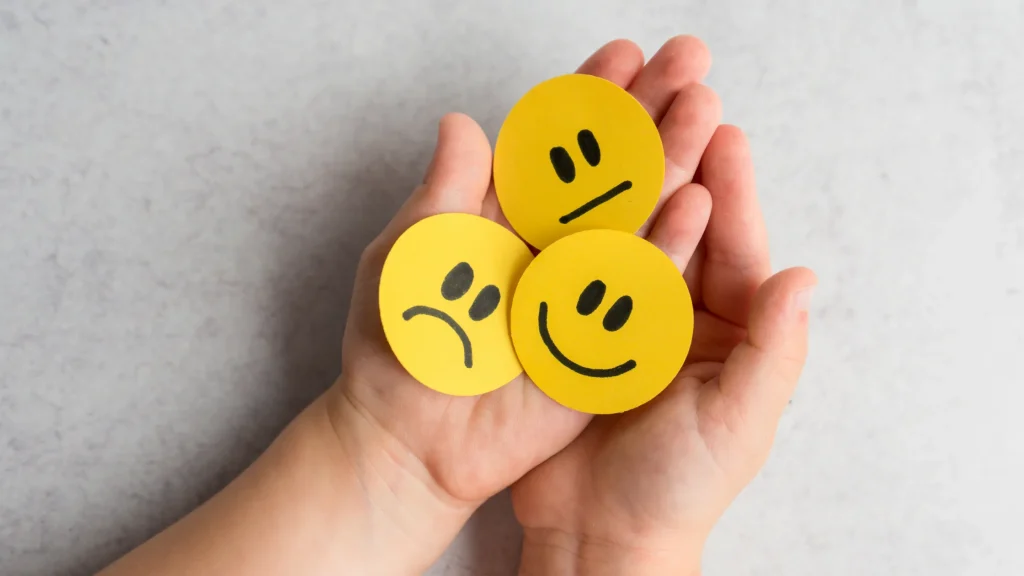
Statistical Insights: Emotional Flexibility Metrics
Comparative empirical analysis highlights the vast operational differences between high affective flexibility and pronounced psychological resistance across various health indicators.
閱讀更多: 為什麼自我隔離技巧能改善情緒平衡
| Health & Functioning Metric | High Affective Flexibility | High Emotional Inertia |
| Depression Risk Correlation | Low baseline risk (12%) | High elevation risk (58%) |
| 壓力恢復時間 | Rapid (15–30 minutes) | Prolonged (4–12 hours) |
| Cognitive Adaptability | Elevated flexibility scores | Reduced problem-solving capacity |
| Social Connection Index | Strong interpersonal resilience | Vulnerable to social withdrawal |
Analyzing these comparative metrics emphasizes why addressing emotional inertia early remains paramount for long-term psychological preservation and overall operational success.
Targeted interventions aim to shift individuals from rigid affective trajectories toward fluid regulation strategies, lowering depression risks substantially over time.
How Does Environmental Variety Counteract Affective Rigidity?
Exposure to diverse physical and social environments stimulates cognitive processing, effectively interrupting repetitive emotional patterns while promoting psychological adaptiveness.
When individuals systematically encounter novel settings, sensory input triggers fresh neurochemical activity, breaking passive habit loops that sustain prolonged low moods.
Navigating unfamiliar spaces forces conscious attention onto immediate external surroundings, reducing internal rumination significantly.
Over time, incorporating regular environmental shifts into daily routines helps loosen rigid affective states, making emotional transitions feel far more natural, flexible, and manageable.
What Role Does Somatic Awareness Play in Emotional Transitions?
Somatic awareness allows individuals to recognize physical sensations associated with lingering emotional states before these feelings dominate conscious thought.
By tuning into muscle tension, breathing patterns, and posture, people identify subtle bodily cues that signal affective stagnation early.
Mindfulness techniques targeting physical sensations help release stored tension, facilitating a smoother transition toward emotional balance.
Cultivating bodily awareness empowers individuals to interrupt passive emotional loops active in the nervous system, ultimately fostering stronger resilience against long-term psychological distress.

What Science-Backed Strategies Break Emotional Stagnation?
Mindfulness practices disrupt continuous cognitive rumination by directing attention toward present-moment somatic sensations rather than prolonged internal narratives.
Cognitive reappraisal techniques challenge sticky interpretations, helping individuals reframe distressing events constructively before negative feelings solidify into persistent moods.
Behavioral activation encourages purposeful physical movement and social engagement, which forces the nervous system out of passive, stagnant affective loops.
Developing robust self-compassion mitigates harsh internal self-criticism, enabling smoother transitions out of lingering shame, anxiety, or grief following difficult experiences.
克服 emotional inertia requires consistent daily effort, structured therapeutic habits, and intentional environmental shifts that stimulate novel neurochemical responses.
Sustained practice gradually reconfigures neural pathways, restoring dynamic emotional responsiveness and protecting long-term mental well-being against chronic stress.
常見問題解答
Is affective persistence always a negative psychological trait?
Not necessarily, because lingering positive moods foster resilience; however, persistent negative states typically compromise mental health when prolonged.
How does emotional inertia differ from standard clinical depression?
While depression represents a diagnostic mental health disorder, emotional inertia acts as a specific dynamic metric measuring affective resistance over time.
Can physical exercise help disrupt stagnant emotional states effectively?
Aerobic exercise releases endorphins, alters autonomic nervous system arousal, and disrupts rigid neurochemical patterns, encouraging immediate emotional transitions.
When should someone seek professional help for persistent moods?
Individuals experiencing prolonged mood stagnation that interferes with daily functioning, work productivity, or personal relationships should consult a licensed mental health clinician.
Valuable clinical guidelines and expert directories are accessible via the 美國心理學會 to support individual recovery journeys.
結論
Understanding affective dynamics provides vital clarity for navigating complex mental landscapes, offering actionable pathways toward sustained emotional vitality and resilience.
By adopting evidence-based regulatory strategies, individuals can successfully dissolve internal rigidity, improving stress recovery and overall life satisfaction over time.
Prioritize your psychological flexibility today by implementing structured mindfulness habits, seeking professional guidance, and taking proactive steps toward dynamic mental well-being.
++ Daily emotional inertia and long-term subjective well-being among people living with HIV