
Why the Prefrontal Cortex Matters More Than You Think
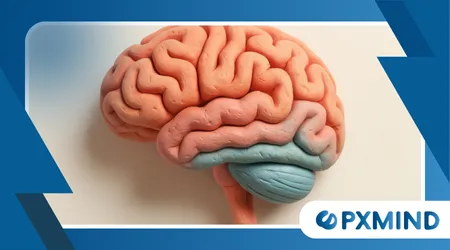
Understanding the Prefrontal Cortex is essential for anyone looking to master their cognitive potential and emotional regulation in our increasingly complex, fast-paced modern digital world.
Anúncios
Summary
- Defining the CEO of the Brain: An overview of the PFC’s primary executive functions.
- Evolutionary Significance: Why this specific brain region separates humans from other primates.
- Daily Impact: How it governs decision-making, focus, and social behavior.
- Biohacking & Health: Modern strategies to optimize and protect your neural architecture.
- Comparative Data: A look at PFC volume versus cognitive output.
- The Future of Neuroscience: Anticipated breakthroughs in neuroplasticity for 2025.
What is the Prefrontal Cortex and How Does It Function?
The Prefrontal Cortex serves as the brain’s executive suite, located at the very front of the frontal lobe, directly behind your forehead. This area manages complex cognitive behavior.
Its primary role involves orchestrating thoughts and actions in accordance with internal goals. It acts as a filter, helping you distinguish between conflicting thoughts and determining future consequences.
Neuroscientists often describe this region as the “CEO” because it integrates sensory information from the rest of the brain. It then translates that data into organized, goal-directed actions.
Without a functional Prefrontal Cortex, humans would struggle with basic impulse control. We would essentially live in a state of perpetual reaction rather than intentional, planned-out action.
Recent research highlights how this region communicates with the limbic system. This dialogue is crucial for dampening emotional spikes and maintaining a sense of calm during high-stress situations.
Why Is the Prefrontal Cortex Crucial for Modern Decision-Making?
In 2025, our environment demands constant rapid-fire choices, making the Prefrontal Cortex more vital than ever for maintaining mental clarity amidst a sea of digital distractions.
This brain region handles “working memory,” which allows you to hold and manipulate information over short periods. It is the mental workspace where you solve complex problems daily.
Modern cognitive demands frequently tax our executive resources, leading to “decision fatigue.” When this area tires, we often revert to impulsive habits or make poor financial and health choices.
By prioritizing tasks, the Prefrontal Cortex ensures that you focus on long-term rewards. It helps you bypass the immediate gratification offered by social media or unhealthy food cravings.
According to recent studies published by the Harvard University Center on the Developing Child, these executive functions are the building blocks of successful adult lives.
How Does the Prefrontal Cortex Regulate Our Emotions?
Emotional intelligence stems directly from the efficiency of the Prefrontal Cortex in modulating the amygdala. It provides the “top-down” regulation necessary to manage fear and anger.
When you experience a sudden provocation, your limbic system reacts instantly. However, a healthy PFC evaluates the situation logically, preventing you from overreacting to minor perceived social threats.
This regulation is not just about suppression; it is about reappraisal. The Prefrontal Cortex allows you to reframe negative events into learning opportunities, fostering long-term psychological resilience.
Read more: How Emotions Are Processed in the Amygdala
Chronic stress can actually shrink the dendritic connections within this region. This biological change makes it harder to stay calm, creating a vicious cycle of anxiety and cognitive decline.
Protecting this area through mindfulness and adequate sleep ensures that your emotional responses remain proportional. A balanced brain leads to better relationships and more effective professional leadership.
What Factors Influence Prefrontal Cortex Development and Health?
The Prefrontal Cortex is uniquely characterized by its slow maturation process. It typically does not reach full structural and functional maturity until an individual is in their mid-twenties.
Genetic factors provide the blueprint, but environmental influences shape the final architecture. Nutrition, education, and social interactions play pivotal roles in how these neural pathways are eventually wired.
See how interesting: How Technology Affects the Developing Brain
Neuroplasticity remains active throughout adulthood, meaning you can strengthen your Prefrontal Cortex at any age. Challenging cognitive exercises and learning new languages are proven ways to build “cognitive reserve.”
Conversely, substance abuse and lack of sleep act as primary stressors for this region. They temporarily “offline” the PFC, leading to the impaired judgment seen during intoxication or exhaustion.
Physical exercise also boosts Brain-Derived Neurotrophic Factor (BDNF). This protein supports the survival of existing neurons and encourages the growth of new ones within the frontal lobes.
Comparative Analysis: PFC Attributes and Human Cognition
| Metric | Adolescent PFC | Adult PFC (Optimized) | Impact on Performance |
| Myelination Level | Incomplete / Slower | High / Efficient | Processing Speed |
| Impulse Control | Reactive / Low | Proactive / High | Risk Management |
| Focus Duration | Short / Fragmented | Sustained / Deep | Productivity |
| Synaptic Density | Pruning Phase | Stable / Integrated | Cognitive Flexibility |
| Stress Recovery | Slow / Volatile | Rapid / Resilient | Emotional Stability |
Which Lifestyle Habits Strengthen the Prefrontal Cortex?
Quality sleep is arguably the most critical habit for maintaining the Prefrontal Cortex. During deep sleep, the brain flushes out metabolic waste that can impair executive function.
High-intensity interval training (HIIT) has been shown to increase blood flow specifically to the frontal lobes. This oxygenation improves your ability to switch between complex tasks without losing focus.
Meditation and mindfulness practices physically thicken the gray matter in the Prefrontal Cortex. These disciplines train the brain to remain present, reducing the “noise” of intrusive, distracting thoughts.
++ What It Really Means to “Hold Space” for Yourself
Dietary choices also matter, specifically the intake of Omega-3 fatty acids and antioxidants. These nutrients protect the delicate neural membranes from oxidative stress and chronic systemic inflammation.
Consistent “deep work” sessions, where you remove all interruptions, strengthen your neural focus circuits. This deliberate practice turns concentration into a durable, long-term cognitive asset for your career.
How Does Technology Affect the Prefrontal Cortex Today?
The constant ping of notifications creates a state of “continuous partial attention.” This habit fragments the Prefrontal Cortex, making it increasingly difficult to engage in deep, analytical thinking.
Algorithms are specifically designed to trigger the brain’s reward system, often bypassing the PFC’s logic. This can lead to a weakened ability to delay gratification in other areas.
Digital literacy now requires a conscious effort to protect our cognitive bandwidth. Setting boundaries with technology is a form of “neural hygiene” that preserves your highest human faculties.
However, technology also offers tools for cognitive enhancement, such as targeted neurofeedback. These innovations allow users to monitor their brain states and train for better focus and calm.
Understanding this dynamic allows you to use tools mindfully. You can leverage technology for productivity without letting it erode the very brain structures that make you successful.
Conclusion
The Prefrontal Cortex is not just another part of the brain; it is the essence of your identity and your primary tool for navigating life. By understanding its functions, we gain the power to consciously shape our behaviors, emotions, and ultimate destinies.
Investing in the health of your PFC through better sleep, nutrition, and mental discipline is the highest-leverage activity you can perform. As we move further into 2025, the ability to command one’s own attention will be the ultimate competitive advantage.
Protect your mind, nurture your neurons, and respect the incredible power of your brain’s executive center.
For further technical details on neural architecture, visit the Society for Neuroscience, which provides extensive resources on brain health and recent discoveries.
Frequently Asked Questions
What happens if the Prefrontal Cortex is damaged?
Damage can lead to personality changes, loss of impulse control, and difficulty planning for the future. Individuals may become socially inappropriate or struggle to complete multi-step tasks effectively.
Can you regrow neurons in the Prefrontal Cortex?
Through neurogenesis and neuroplasticity, you can create new connections and strengthen existing ones. While large-scale “regrowth” is complex, the brain remains remarkably adaptable throughout a person’s entire life.
How does alcohol affect the Prefrontal Cortex?
Alcohol acutely suppresses PFC activity, which is why people become more impulsive and less logical when drinking. Chronic use can lead to permanent structural thinning and long-term cognitive deficits.
At what age is the Prefrontal Cortex fully developed?
Most longitudinal neuroimaging studies suggest the Prefrontal Cortex finishes developing around age 25. This explains why younger individuals may take more risks or struggle with long-term consequences.
Does caffeine help the Prefrontal Cortex?
In moderate doses, caffeine can enhance alertness and temporary focus by blocking adenosine receptors. However, excessive amounts can cause anxiety, which actually impairs the PFC’s ability to regulate emotions.
++ Why Is The Prefrontal Cortex So Important?
++ Neuroanatomy, Prefrontal Cortex
