
What is Neurowellness? The 2026 Guide to Precision Nervous System Optimization
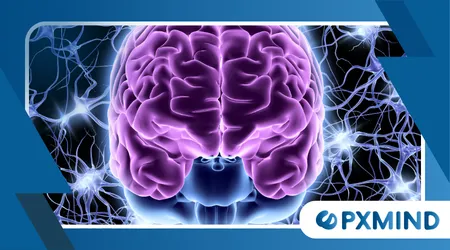
Neurowellness is the emerging frontier of precision health, shifting our focus from merely treating neurological symptoms to proactively optimizing the intricate architecture of the human nervous system.
Anúncios
As we navigate 2026, the traditional “one-size-fits-all” approach to mental health has become obsolete, replaced by data-driven strategies that treat the brain as a dynamic, tunable biological computer.
It is no longer enough to simply be “not depressed”; the modern standard demands cognitive agility and autonomic resilience.
Summary of This Guide
- Defining the Concept: Moving beyond reactive healthcare models.
- The Science of Regulation: Leveraging neuroplasticity and biofeedback.
- Precision Tools: The intersection of wearables and non-invasive stimulation.
- Practical Implementation: Building a lifestyle for sustained neural performance.
What is Neurowellness and Why Does It Matter in 2026?
At its core, the discipline represents a holistic fusion of clinical neuroscience and advanced biotechnology aimed at enhancing the functional capacity of the brain.
While traditional psychiatry often waits for a breakdown to occur, this proactive field emphasizes “peak states” and the prevention of neurodegenerative decline before the first signs of memory loss appear.
The urgency of this shift is palpable. Our environment is increasingly digital and demanding, yet our biological hardware remains largely prehistoric, struggling to process the constant deluge of information.
This mismatch is where precision optimization steps in, offering a bridge between our ancient biology and a high-frequency future.
By utilizing objective data—such as Heart Rate Variability (HRV) and EEG brain maps—individuals are finally moving past the guesswork of “feeling good.”
We can now visualize internal stress and actively train the nervous system for a level of composure that was once thought to be an innate personality trait rather than a buildable skill.
How Does Precision Nervous System Optimization Work?
The process begins with neuromapping, identifying specific patterns of activity in regions like the prefrontal cortex or amygdala.
If your brain is stuck in a loop of hyper-vigilance, it shows up on the map as a distinct physiological signature that no amount of “positive thinking” can easily override without direct intervention.
Practitioners utilize targeted tools like vagus nerve stimulation or specific “neuro-nutrition” to nudge the brain toward a more homeostatic state.
This isn’t about forced change; it’s about providing the right stimulus to encourage the brain’s inherent ability to reorganize itself through the lifelong process of neuroplasticity.
Interestingly, the most effective protocols often involve “hormetic stress”—controlled, small-scale challenges that force the system to adapt.
++ Why Astrocytes and Glial Cells Are the Brain’s Hidden Power
Much like physical exercise tears muscle fiber to build strength, brief cold exposure or complex cognitive drills improve the metabolic efficiency of our neural pathways over time.
Which Technologies Are Leading the Neural Revolution?
Current breakthroughs center on wearables that provide real-time neurofeedback, allowing users to observe their brainwaves while navigating a workday.
It’s an unsettling but empowering experience to see exactly how a single notification disrupts your flow state, providing the immediate data needed to correct course.
Non-invasive brain stimulation (NIBS), including transcranial magnetic stimulation, has migrated from sterile clinical labs into specialized wellness centers.
These devices offer precise modulation of executive function, effectively “tuning” the brain’s electrical output to match the task at hand, whether that is deep focus or creative expansion.
Furthermore, AI now analyzes sleep architecture and circadian rhythms to provide hyper-personalized recommendations.
According to research published by the National Center for Biotechnology Information, these integrations are vital for developing protocols that respect the messiness of human genetic and environmental factors.
What are the Core Pillars of a Modern Protocol?
A comprehensive approach must address biological and environmental factors simultaneously to ensure the system operates at its highest capacity.
If the foundation is unstable, even the most advanced technological “hacks” will fail to produce lasting changes in cognitive performance or emotional stability.
Nutrition serves as the bedrock, focusing on “brain-essential” phospholipids and omega-3 fatty acids that protect neurons from oxidative stress.
We are moving away from generic vitamins toward targeted supplementation that specifically addresses the permeability of the blood-brain barrier and the reduction of chronic neuroinflammation.
Sleep hygiene follows closely, as the glymphatic system—the brain’s waste-clearance mechanism—requires deep cycles to remove metabolic debris.
++ What Brainwaves Reveal About Your Mental State
Without this nightly “rinse,” the brain essentially operates in its own waste, leading to the brain fog that many mistakenly attribute to aging or simple fatigue.
| Component | Target Impact | 2026 Recommended Method |
| Vagal Tone | Stress Resilience | Diaphragmatic breathing & Cold exposure |
| Neuroplasticity | Learning & Memory | Dual N-Back training & Skill acquisition |
| Neuro-Nutrition | Synaptic Health | High-DHA Algal oil & Magnesium L-Threonate |
| Circadian Flow | Sleep/Wake Cycle | Morning sunlight (10k lux) & Blue light blocks |
Why is Bio-Individuality Essential for Optimization?
No two brains are identical, meaning a meditation technique that calms one person might cause significant agitation in another.
This is the “hidden trap” of wellness trends; they ignore the reality that our neural responses are as unique as our fingerprints.
Advocates for this field push for “N-of-1” experimentation, where data collected from personal devices helps determine which habits actually move the needle.
Genetic testing for variations like the COMT gene provides insight into how you process dopamine, which can radically change how you should approach productivity.
Ignoring these individual differences often leads to “biohacking burnout,” where the pursuit of health becomes its own source of anxiety.
++ Transfer-Appropriate Processing: Learning the Way You’ll Use the Skill
True optimization isn’t about doing everything; it’s about doing the three or four things that align with your specific biological requirements and lifestyle demands.
When Should You Start Investing in Your Brain?
The ideal time to begin is before symptoms of burnout or cognitive decline manifest, as preventative maintenance is exponentially more effective than repair.
We often treat our brains like an invisible organ until it stops performing, but by then, the neural pathways of stress are already deeply etched.
Young professionals utilize these strategies to sharpen their competitive edge, while older adults focus on maintaining cognitive “reserve” to ward off the inevitable effects of aging.
Both groups are essentially doing the same thing: building a more resilient, flexible nervous system that can withstand the friction of modern life.
Even small adjustments, such as timed morning light exposure or the elimination of processed neuro-toxins, yield measurable improvements in HRV within weeks.
By establishing a baseline today, you create a longitudinal record of your health, making it much easier to detect subtle, harmful changes as you move through different life stages.
What are the Proven Benefits of System Optimization?
The most immediate result is an increased “window of tolerance,” which is the ability to handle high-pressure situations without spiraling into physiological panic.
You become the observer of your stress rather than its victim, allowing for a level of emotional agency that feels like a cognitive superpower.
Enhanced executive function is another hallmark, characterized by improved working memory and the ability to maintain deep focus despite a world designed to distract us.
This isn’t just about working harder; it’s about having the neural bandwidth to work smarter and with significantly less friction.
Long-term, these practices are linked to better metabolic health, as the brain and the gut-brain axis play a primary role in regulating energy expenditure.
Ultimately, the goal is a sense of “cognitive agency,” giving you the tools to influence your mental state at will rather than being a passenger in your own head.
The evolution of these practices represents a major shift in how we perceive our limits, moving us toward a future of empowered, data-backed self-care.
By integrating advanced technology with foundational lifestyle habits, we can finally bridge the gap between our current state and our biological potential.
As we continue to decode the complexities of the human mind, the tools for optimization will only become more accessible and precise.
Embracing these principles today ensures that your nervous system remains resilient and vibrant, regardless of the challenges the modern world may present.
For deeper insights into the latest clinical trials regarding brain health and longevity, visit the Harvard Medical School research portal for peer-reviewed updates.
FAQ (Frequently Asked Questions)
Is this only for people with high-stress jobs?
While high-performers certainly benefit, these protocols are designed for anyone seeking to improve emotional stability, sleep quality, and long-term health.
How long does it take to see results?
Most notice improvements in mood and energy within 14 days, though structural changes via neuroplasticity typically require three to six months of consistency.
Can I practice this without expensive gadgets?
Absolutely; fundamental practices like breathwork, proper nutrition, and optimized sleep remain the most powerful tools for regulating your nervous system.
Is this the same as biohacking?
It overlaps, but this discipline is more focused on the clinical and psychological integration of brain health rather than just short-term performance gains.
Are these interventions safe for everyone?
Most lifestyle strategies are safe, but consult with a professional before starting non-invasive stimulation or high-dose supplement protocols to ensure biological compatibility.
++ 2026 Health & Wellness Trend Predictions: The Great Nervous System Reset
