
予期ストレスパターンが精神的エネルギーを消耗させる理由
理解 Anticipatory Stress Patterns remains crucial because these psychological loops quietly drain our cognitive reserves long before an actual threat ever materializes in reality.
広告
Modern professionals constantly battle this invisible exhaustion, fighting imaginary fires instead of directing their valuable mental energy toward productive, meaningful daily tasks and strategic goals.
Below, you will discover a comprehensive guide detailing exactly why this phenomenon occurs, alongside evidence-based strategies designed to actively protect your long-term psychological wellbeing.
目次
- How Do These Patterns Disrupt Cognitive Function?
- Why Is the Year 2026 Seeing Elevated Stress?
- Clinical Experience: A Professional Perspective
- Comparing Normal Anxiety Versus Chronic Anticipation
- よくある質問
- Final Thoughts and Actionable Steps

Why Are Anticipatory Stress Patterns Worsening in 2026?
Rapid technological shifts and relentless digital connectivity mandate constant availability, leaving workers unable to detach their minds from pending assignments or upcoming quarterly performance reviews.
Distributed workspaces blur the boundaries separating personal sanctuaries from corporate battlegrounds, creating an environment where subtle dread permeates every evening and weekend resting hour.
Consequently, nervous systems forget how to down-regulate effectively, maintaining a rigid baseline of tension that turns ordinary emails into perceived existential threats.
How Do Anticipatory Stress Patterns Disrupt Cognitive Function?
Chronic worry forces the brain to remain on high alert, flooding your system with cortisol and adrenaline without offering any physical release or actionable resolution.
Neurological studies consistently demonstrate that sustained apprehension shrinks the prefrontal cortex, fundamentally impairing decision-making capabilities and reducing your overall capacity for focused, deep professional work.
Forward-thinking researchers at the 国立精神衛生研究所(NIMH) continuously highlight how living in imagined futures robs individuals of their present cognitive processing bandwidth.
Clinical Experience: A Professional Perspective
During my years consulting for high-stress corporate teams, I observed firsthand how brilliant executives incapacitated themselves through relentless rumination over meetings that had not happened.
認識する Anticipatory Stress Patterns early allowed my clients to implement grounding techniques, successfully shifting their focus back to controllable variables rather than hypothetical disaster scenarios.
One specific manager reclaimed hours of lost sleep simply by writing down worst-case outcomes alongside logical solutions, effectively closing the open psychological loops.
Taking decisive action transforms vague apprehension into concrete planning, immediately lowering the physiological arousal state and restoring executive functioning to its optimal, highly efficient baseline.
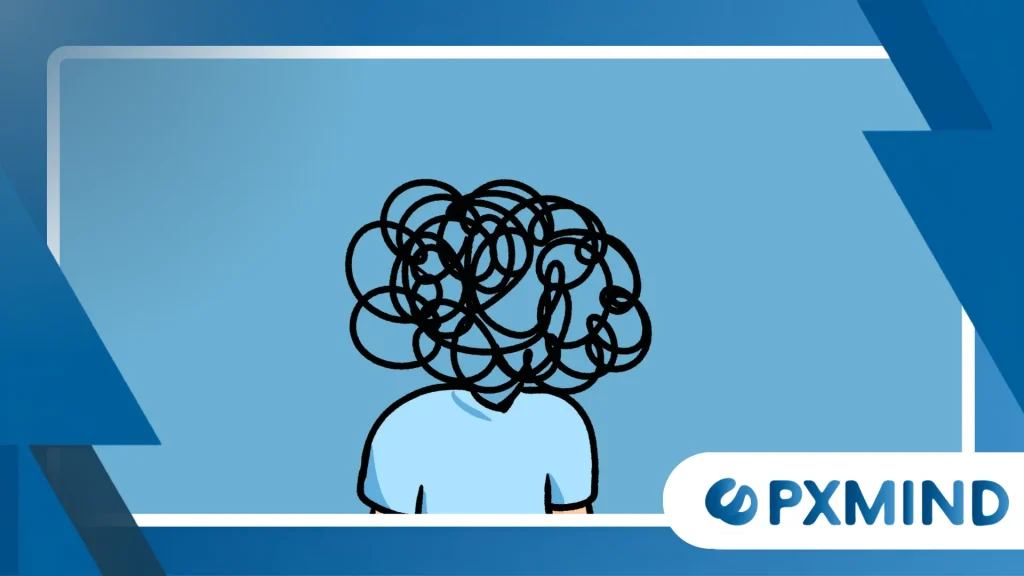
What Do The Current Statistics Reveal?
Analyzing recent epidemiological data regarding Anticipatory Stress Patterns provides stark clarity regarding how pervasive these psychological mechanisms have become across various demanding modern professional sectors.
| Stress Metric (2026 Data) | Normal Pre-Event Jitters | Chronic Anticipatory Dread |
| Duration of Symptoms | 1-2 days prior | Weeks to consecutive months |
| Cognitive Impact | Mild, temporary distraction | Severe, ongoing focus degradation |
| Sleep Disruption | Occasional nocturnal restlessness | Chronic insomnia (Over 60% of cases) |
| Physical Symptoms | Nervous butterflies in stomach | Sustained muscle tension, migraines |
What Are The Core Differences Between Anxiety and Anticipation?
General anxiety often lacks a specific focal point, whereas anticipatory dread fixates intensely on a particular upcoming event, difficult conversation, or vaguely defined future deadline.
Identifying this distinction empowers individuals to select appropriate interventions, targeting the specific event-based triggers rather than attempting to medicate a generalized feeling of unease.
こちらをお読みください: 感情調節不全のパターンが精神的バランスに及ぼす影響
Behavioral therapists frequently emphasize that tackling event-specific dread requires exposure therapy principles, gradually desensitizing the patient to the imagined outcome through guided visualization exercises.
How Does Workspace Design Influence Anticipatory Stress?
Physical environments profoundly shape human baseline psychological reactivity. Cluttered, noisy offices unconsciously signal danger, keeping your nervous system trapped in mild survival states.
Conversely, organizing immediate surroundings and maximizing natural daylight directly lowers resting cortisol.
Creating a deliberately calming modern workspace actively prevents everyday environmental triggers from constantly compounding your existing cognitive exhaustion.
What Role Does Neuroplasticity Play Here?
Repeatedly imagining negative outcomes physically rewires your neural pathways, strengthening the connections that default to panic while simultaneously pruning the circuits responsible for rational analysis.
Fortunately, deliberate intervention works backward through this exact same mechanism, allowing dedicated individuals to carve new mental routes that prioritize emotional regulation over instantaneous fear.
How Does Sleep Deprivation Compound The Issue?
Exhausted brains lose their ability to differentiate between minor inconveniences and major catastrophes, artificially magnifying the perceived threat level of every upcoming professional obligation.
Prioritizing strict sleep hygiene acts as a fundamental defensive shield, providing your prefrontal cortex the nightly recovery time necessary to maintain strict executive control.

How Can You Protect Your Mental Energy Reserves?
Establishing strict digital curfews prevents late-night email checking, effectively halting the spiral of nocturnal rumination before it gains enough momentum to disrupt crucial circadian rhythms.
Physical movement serves as an excellent circuit breaker, forcing the nervous system to process accumulated stress hormones through cardiovascular exertion rather than mental agonizing.
Furthermore, developing a robust mindfulness practice trains the brain to notice future-tripping habits, allowing you to gently redirect your attention toward immediate sensory experiences.
よくある質問
What exactly trigger Anticipatory Stress Patterns at work?
Ambiguous leadership communication usually acts as the primary catalyst, leaving employees to fill informational voids with catastrophic assumptions regarding their job security or upcoming evaluations.
How do these patterns affect long-term physical health?
Prolonged exposure to elevated cortisol levels directly suppresses immune function, increases systemic inflammation, and contributes significantly to early-onset cardiovascular issues and chronic gastrointestinal distress.
Can daily diet influence these underlying stress mechanisms?
Consuming excessive caffeine directly mimics the physiological symptoms of panic, artificially accelerating heart rates and making it substantially harder to calm an already overactive nervous system.
When should someone seek professional clinical help?
Individuals must consult a licensed therapist when future-focused dread begins causing missed deadlines, severe isolation, or physical symptoms that disrupt standard daily functioning for weeks.
Final Thoughts and Actionable Steps
Halting the cycle of future-focused dread demands consistent daily practice, requiring individuals to actively challenge their catastrophic assumptions using objective evidence and structured logical reasoning.
管理 Anticipatory Stress Patterns ultimately requires proactive lifestyle adjustments, transforming passive victims of worry into resilient professionals capable of handling reality exactly as it unfolds.
For further evidence-based strategies regarding workplace mental health, explore the extensive resources provided by the アメリカ心理学会(APA) to build lasting cognitive resilience.
++ Anticipatory Anxiety: Why Dread Feels Worse Than Reality
++ Understanding anticipatory anxiety during key life transitions
