
Perché la teoria del cervello basata sull'elaborazione predittiva sta attirando l'attenzione
La teoria del cervello basata sull'elaborazione predittiva sta guadagnando attenzione Non solo come una parola d'ordine neuroscientifica di tendenza, ma come un cambiamento fondamentale nel modo in cui definiamo il confine tra il "sé" e l'"esterno".
Annunci
Per decenni abbiamo accettato una comoda menzogna: che i nostri occhi siano telecamere e i nostri cervelli schermi. Credevamo di vivere in un circolo vizioso, limitandoci a rispondere agli stimoli del mondo.
Riepilogo dei contenuti
- La morte dell'elaborazione passiva: Perché la metafora dell'occhio come "fotocamera" è ormai superata.
- Il motore di minimizzazione degli errori: Comprendere i meccanismi della sorpresa sensoriale.
- Scoperte del 2026: Monitoraggio corticale specifico per strato e sue implicazioni.
- Riallineamento clinico: Una nuova prospettiva per osservare la neurodivergenza e il trauma.
- Lo specchio della macchina: In che modo la predizione biologica sta rimodellando l'architettura dell'intelligenza artificiale.
- Approfondimenti diretti: Rispondere alle questioni tecniche più urgenti.
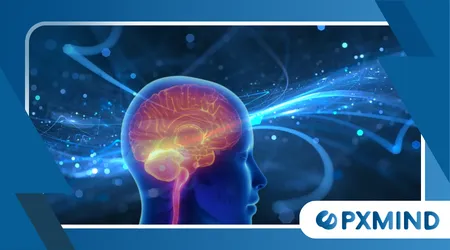
Che cos'è la teoria del cervello basata sull'elaborazione predittiva?
La visione tradizionale del cervello era incredibilmente noiosa. Presupponeva un sistema passivo in attesa che i fotoni colpissero la retina o che le onde sonore facessero vibrare il timpano prima di "interpretare" finalmente la realtà.
C'è qualcosa di fondamentalmente inefficiente in quel modello; trasforma la mente in una macchina perennemente in ritardo, sempre qualche millisecondo indietro rispetto al presente reale.
Invece, La teoria del cervello basata sull'elaborazione predittiva sta guadagnando attenzione perché suggerisce che il cervello sia un simulatore attivo e irrequieto.
Non aspetta i dati; urla le sue aspettative lungo la gerarchia neurale, costruendo preventivamente la tua realtà.
Non vedi ciò che c'è; vedi ciò che vedi aspettarsi Essere presenti, e adattarsi solo quando il mondo ti dimostra che hai torto.
Non si tratta di una mera sottigliezza accademica. Significa che la nostra percezione è un'“allucinazione controllata”.
Viviamo all'interno di una simulazione mentale ad alta fedeltà, costantemente ancorata alla realtà da sottili fili di feedback sensoriale.
Si tratta di una strategia di sopravvivenza proattiva che consente di risparmiare enormi quantità di energia elaborando solo ciò che è "nuovo" e ignorando ciò che è prevedibile.
Come fa il cervello predittivo a minimizzare gli errori?
L'architettura della mente è essenzialmente una conversazione gerarchica. Gli strati superiori della corteccia cerebrale contengono il "quadro generale" (ad esempio, "Mi trovo in una biblioteca"), mentre gli strati inferiori gestiscono i dettagli più minuti di luci e ombre.
I livelli superiori inviano le previsioni verso il basso, intimando di fatto ai livelli inferiori di mantenere la calma a meno che non riscontrino qualcosa che contraddica il piano.
Quando cammini al buio per casa tua, non inciampi nei mobili che non vedi. Il tuo cervello sta già visualizzando la disposizione della stanza.
Se il piede tocca una scarpa posizionata male, si verifica un picco di "errore di previsione". Questo segnale improvviso costringe i livelli superiori ad aggiornare il loro modello. L'errore non è un fallimento; è il carburante per l'apprendimento.
Sopprimendo i dati attesi, il cervello mantiene un budget metabolico ridotto. Se dovessimo elaborare ogni singolo dettaglio sensoriale da zero ogni secondo, probabilmente la nostra testa si surriscalderebbe.
++ Come le interfacce cervello-computer stanno cambiando la cognizione umana
Questa attenzione alla “sorpresa” è esattamente il motivo per cui La teoria del cervello basata sull'elaborazione predittiva sta guadagnando attenzione—spiega perché siamo così inclini all'abitudine e perché l'inaspettato ci sembra così sconvolgente.
Perché questa teoria domina le neuroscienze nel 2026?
Abbiamo finalmente superato l'era delle scansioni cerebrali sfocate. Nel 2026, le immagini ad alta risoluzione ci permetteranno di osservare i circuiti specifici di "feedback" e "feedforward" negli strati corticali.
Possiamo effettivamente osservare in tempo reale l'incontro tra le previsioni dall'alto verso il basso e i segnali sensoriali dal basso verso l'alto, a dimostrazione del fatto che il cervello è una strada a doppio senso, con la maggior parte del traffico che in realtà scorre dall'alto verso il basso.
Ricerca rivoluzionaria da Istituto Max Planck per l'estetica empirica Studi recenti hanno dimostrato che il nostro apprezzamento della musica dipende interamente da questo ritmo predittivo.
Il piacere che proviamo non deriva solo dai suoni in sé, ma anche dai tentativi, a volte riusciti (o piacevolmente frustrati), del cervello di indovinare la nota successiva in una sequenza.
Il predominio di questa teoria deriva anche dalla sua capacità di unificare campi disparati. Essa collega l'attivazione di un singolo neurone alle complesse ansie sociali di un essere umano.
Considera la mente come un unico motore matematico coerente, progettato per ridurre l'incertezza, fornendo una "Grande Teoria Unificata" di cui il settore ha sentito la mancanza per un secolo.
Quadro comparativo: paradigmi cognitivi
| Caratteristica | Il modello reattivo (tradizionale) | Elaborazione predittiva (moderna) |
| Logica | Input sensoriale $\rightarrow$ Interpretazione | Previsione $\rightarrow$ Correzione dell'errore |
| Efficienza | Basso (elaborazione dati intensiva) | Elevato (Elaborazione tramite eccezione) |
| Realtà | Una registrazione oggettiva | Una simulazione interna raffinata |
| Obiettivo primario | Precisione nei dettagli | Sopravvivenza attraverso l'anticipazione |
Quali sono le implicazioni cliniche per la salute mentale?
La psichiatria sta attraversando una silenziosa rivoluzione. Ci stiamo allontanando dalla vaga definizione di "squilibri chimici" per avvicinarci a una comprensione più precisa delle "previsioni errate".
Se il cervello è una macchina inferenziale, allora il disagio mentale è spesso dovuto a un'errata impostazione della "ponderazione di precisione" di tale macchina.
Sposta la conversazione da "cosa c'è che non va in te" a "come il tuo cervello sta valutando le prove?"
In patologie come la schizofrenia, sembra che il cervello possa attribuire troppa "precisione" alle previsioni interne.
La voce interiore o l'immagine interiore diventano così forti e certe che il cervello ignora le prove sensoriali contrarie.
L'allucinazione non è una mancanza di logica; è una previsione iperattiva che si rifiuta di essere corretta dal mondo esterno.
Per saperne di più: Come la visualizzazione influenza il cervello come la pratica reale
All'estremo opposto, molti ricercatori suggeriscono che l'autismo possa comportare una difficoltà nell'"attenuare" i dati sensoriali.
Ogni stimolo, che si tratti del ronzio di un frigorifero o della consistenza di un'etichetta, viene trattato come un errore di previsione ad alta priorità.
Il mondo diventa una tempesta caotica e imprevedibile perché il cervello non riesce a "prevedere" efficacemente il rumore di fondo della vita.
In che modo questa teoria influenza l'intelligenza artificiale?
Il boom dell'intelligenza artificiale dei primi anni 2020 si è basato sull'apprendimento "a forza bruta", ovvero sull'inserimento di trilioni di punti dati in una scatola nera.
Ma la generazione di intelligenza artificiale del 2026 è diversa. Gli ingegneri stanno ora costruendo architetture di "codifica predittiva" che imitano la corteccia cerebrale umana.
Questi sistemi non si limitano a categorizzare le immagini; cercano di generarle dall'alto verso il basso, controllando i pixel solo per correggere gli errori.
Questo cambiamento ha reso l'intelligenza artificiale significativamente più efficiente dal punto di vista energetico e, ironicamente, più "intuitiva".
Imitando il modo La teoria del cervello basata sull'elaborazione predittiva sta guadagnando attenzione In ambito biologico, gli sviluppatori hanno creato robot in grado di muoversi in una cucina disordinata o in una strada affollata senza bisogno di una mappa di ogni singolo atomo.
Si aspettano che il pavimento sia lì e reagiscono solo se non c'è.
++ Perché le tecniche di neuroapprendimento migliorano rapidamente la memorizzazione
Stiamo assistendo all'ascesa del calcolo neuromorfico: chip progettati per gestire la matematica gerarchica specifica della predizione. Questi sistemi non si limitano a elaborare codice; abitano un modello.
Questo è il ponte tra una calcolatrice in grado di parlare e una mente capace di comprendere realmente l'ambiente circostante.
Quali regioni del cervello sono maggiormente coinvolte nella previsione?
La corteccia prefrontale è il "modellatore a lungo termine". Non si cura del lampo di luce immediato; si preoccupa della tua identità, del tuo status sociale e del tuo piano quinquennale.
Trasmette le previsioni più astratte lungo tutta la catena, plasmando il modo in cui interpretiamo segnali sociali complessi e dilemmi morali. È la sede delle nostre aspettative più elevate.
Più in basso, il cervelletto funge da "motore fisico". Ogni volta che muovi il braccio, il cervelletto prevede le conseguenze sensoriali.
Se vi è mai capitato di salire su una scala mobile ferma, quella strana sensazione di scatto alle gambe è il vostro cervelletto che urla perché la sua previsione motoria era clamorosamente errata. È un esempio lampante della mente predittiva in azione.
Anche il talamo, un tempo considerato una semplice stazione di smistamento, è ora riconosciuto come un sofisticato filtro.
Decide quali “errori di previsione” sono sufficientemente importanti da turbare la mente cosciente.
È il custode della sorpresa, che si assicura che non veniamo costantemente sopraffatti dall'enorme quantità di dati che l'universo ci riversa addosso ogni secondo.

L'evoluzione della mente proattivaLa teoria dell'elaborazione predittiva del cervello sta guadagnando attenzione
Il passaggio a un modello predittivo del cervello è più di una semplice tendenza scientifica; è una rivalutazione fondamentale della natura umana.
Non siamo semplici osservatori di un mondo che esiste "là fuori". Siamo partecipanti attivi alla sua costruzione.
Il nostro cervello "allucina" costantemente un mondo che corrisponde ai dati, creando una realtà senza soluzione di continuità a partire da pochi frammenti di informazioni sensoriali.
Mentre ci avviciniamo al 2026, questo modello sta uscendo dai laboratori e influenzando il modo in cui progettiamo scuole, tribunali e algoritmi dei social media.
Comprendere che le nostre convinzioni plasmano letteralmente le nostre percezioni, non solo metaforicamente, ma anche biologicamente, è uno strumento potente per la consapevolezza di sé. Per cambiare la propria vita, spesso bisogna iniziare modificando le "convinzioni a priori" che il cervello utilizza per prevederla.
Per coloro che desiderano approfondire la meccanica tecnica del Principio dell'Energia Libera o dell'inferenza attiva, il Società per le neuroscienze rimane il punto di riferimento per gli aggiornamenti sottoposti a revisione paritaria.
Domande frequenti
Il mio cervello si sta forse inventando tutto?
In un certo senso, sì. Ma si tratta di una finzione "controllata". Il cervello crea un modello e il mondo fisico fornisce le "correzioni". Se il modello è troppo lontano dalla realtà, si va a sbattere contro dei muri, letteralmente o socialmente.
Questo spiega perché le persone percepiscono lo stesso evento in modo diverso?
Esattamente. Se due persone hanno "precedenti" (esperienze passate) diversi, i loro cervelli genereranno previsioni diverse per gli stessi dati sensoriali. Non si vede con gli occhi, si vede con la propria storia.
Perché la teoria del cervello basata sull'elaborazione predittiva sta attirando particolare attenzione nel 2026?
La convergenza tra la risonanza magnetica funzionale a strati ad alta velocità ("layer-fMRI") e la necessità di un'intelligenza artificiale più efficiente ha reso questa teoria la soluzione più pratica sia per i biologi che per gli ingegneri. È la prima volta che la matematica e la biologia si allineano perfettamente.
Posso "resettare" le previsioni del mio cervello?
La neuroplasticità è essenzialmente il processo di aggiornamento dei propri modelli.
Viaggiare, imparare una nuova abilità o persino la terapia cognitivo-comportamentale sono tutti modi per fornire al cervello nuovi dati, in modo che possa costruire previsioni più accurate (e meno ansiose) del futuro.
Che cos'è il "Principio dell'energia libera"?
È il fondamento matematico della teoria. Suggerisce che tutti gli esseri viventi devono minimizzare le "sorprese" (energia libera) per sopravvivere.
Se vieni costantemente colto di sorpresa dall'ambiente circostante, è probabile che tu venga mangiato o ferito. La sopravvivenza è l'arte di prevedere correttamente ciò che accadrà dopo.
++ Introduzione alla teoria dell'elaborazione predittiva
++ Una prospettiva di elaborazione predittiva sul tema "Risposte corrette ma nessun apprendimento".
