
La scienza dell'intuizione: il pensiero veloce spiegato
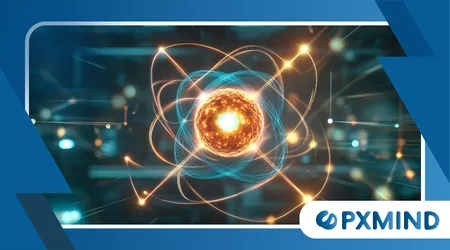
La scienza dell'intuizione esplora la sofisticata architettura neurale alla base delle nostre decisioni immediate. Lungi dall'essere semplici supposizioni, queste "sensazioni istintive" rappresentano la capacità del cervello di elaborare enormi quantità di dati ambientali attraverso la corteccia insulare.
Annunci
Comprendendo il funzionamento del riconoscimento di schemi non coscienti, possiamo affinare la nostra bussola interna, bilanciando i rapidi istinti evolutivi con la precisione del ragionamento analitico moderno.
Riepilogo
- La radice biologica: Oltre le “sensazioni viscerali” e passiamo ai percorsi neurali.
- Il modello a doppio processo: Comprendere la sinergia tra il Sistema 1 e il Sistema 2.
- Neuroplasticità: Come la corteccia insulare e i gangli della base categorizzano la realtà.
- Intuizione esperta: Perché l'esperienza è il filtro definitivo per la precisione.
- Ottimizzazione: Modi pratici per calibrare la tua bussola interna del "pensiero veloce".
Che cos'è la scienza dell'intuizione?
Le neuroscienze moderne definiscono l'intuizione come "riconoscimento di schemi non coscienti". Si verifica quando il cervello confronta l'input sensoriale attuale con un vasto archivio di esperienze memorizzate senza che la persona ne sia consapevole.
Ricercatori di importanti istituzioni hanno dimostrato che il cervello spesso giunge a una conclusione prima ancora che la mente cosciente percepisca il problema iniziale. Questo è il cuore dell'efficienza cognitiva.
Questo processo si basa fortemente su gangli della base e il corteccia insulareQueste aree monitorano l'omeostasi e i cambiamenti emotivi, traducendo sottili segnali ambientali in sensazioni fisiche.
Comprensione La scienza dell'intuizione richiede di allontanarsi dall'idea di "magia". Dobbiamo invece considerarla come un'elaborazione dati ad alta velocità che avviene al di sotto della superficie cosciente.
Come funziona il pensiero veloce nel cervello?
Il modello del "pensiero veloce" descrive il Sistema 1: un percorso emozionale, automatico e senza sforzo. Opera attraverso una rapida attivazione neurale attraverso l'amigdala e la corteccia temporale laterale.
Mentre il Sistema 2 è lento e analitico, il Sistema 1 prospera grazie alle associazioni. Rileva una microespressione familiare e innesca un'immediata risposta fisiologica o "intuizione" per guidare il comportamento.
Questa capacità cognitiva rapida è essenziale per la sopravvivenza. In ambienti ad alto rischio, attendere un rapporto analitico completo può essere fatale, rendendo queste valutazioni rapide una necessità biologica vitale.
Studiando La scienza dell'intuizione, vediamo che questi “lampi di intuizione” sono in realtà il risultato di un apprendimento intenso e precedente cristallizzato in una reazione immediata e attuabile.
Perché l'esperienza è il fondamento dell'accuratezza intuitiva?
L'intuizione è affidabile solo quanto i dati che la alimentano. Gli esperti in settori come la medicina o l'aerospaziale sviluppano "l'intuizione esperta" attraverso migliaia di ore di pratica deliberata e concentrata.
Quando un cardiologo esperto “sente” che un paziente sta crollando prima che il monitor emetta un segnale acustico, sta praticando La scienza dell'intuizione al suo livello più avanzato e professionale.
Il cervello riconosce uno specifico e sottile schema di pallore cutaneo e ritmo respiratorio. Quindi confronta questo profilo con decenni di esperienze cliniche per prevedere un esito urgente.
Per saperne di più: Come l'olfatto innesca potenti risposte cerebrali
Per i principianti, l'intuizione è spesso solo una supposizione influenzata da pregiudizi. Per gli esperti, è uno strumento cognitivo raffinato che consente di analizzare situazioni complesse con notevole precisione.
Quali regioni del cervello controllano le nostre sensazioni istintive?
Il sistema nervoso enterico, spesso chiamato "secondo cervello", comunica con la testa tramite il nervo vago. Questo collegamento bidirezionale spiega perché ci sentiamo "farfalle" durante uno stress intenso.
IL corteccia prefrontale ventromediale (vmPFC) integra questi segnali corporei con la conoscenza sociale. Ci aiuta ad attribuire un "valore" a diverse scelte in base alle esperienze emotive passate.
Secondo un studio pubblicato da Nature Neuroscience, il vmPFC è fondamentale per prendere decisioni quando le informazioni sono incomplete o ambigue, cosa che accade quotidianamente.
Mappatura La scienza dell'intuizione consiste nell'osservare come queste regioni collaborano per produrre una "sensazione" coerente che ci guida verso la sicurezza o il successo in tempo reale.
Intuizione vs. ragionamento analitico: uno sguardo comparativo
| Caratteristica | Sistema 1 (intuitivo) | Sistema 2 (Analitico) |
| Velocità | Frazione di secondo / Istantaneo | Lento / Metodico |
| Sforzo cognitivo | Minimo / Basso | Alto / Tassativo |
| Processo | Riconoscimento di modelli | Logica passo dopo passo |
| Affidabilità | Elevato nei domini familiari | Elevato nei nuovi domini |
| Driver primario | Gangli della base / Amigdala | Corteccia prefrontale |
Quando dovresti fidarti dei tuoi segnali intuitivi?
Dovresti fidarti del tuo intuito quando possiedi una competenza significativa in un determinato ambito. In un territorio familiare, la capacità del tuo cervello di riconoscere schemi ricorrenti è altamente efficiente e solitamente più accurata di un'analisi eccessiva.
Al contrario, in ambienti a “bassa validità” in cui i modelli sono casuali, come il mercato azionario, basandosi su La scienza dell'intuizione può portare a notevoli distorsioni cognitive e a costosi errori.
Leggi qui: Perché la corteccia prefrontale è più importante di quanto pensi
Verifica sempre se il tuo "sentimento" è guidato dalla paura o dall'ego. La paura imita l'intuizione, ma di solito la percepisci come restrittiva, mentre la vera intuizione spesso si manifesta come una "conoscenza" calma e silenziosa.
Combinare entrambi i sistemi è il segno distintivo dei professionisti d'élite. Usano l'intuizione per generare opzioni e poi applicano il rigore analitico per verificare il percorso più promettente.
Quali sono i benefici evolutivi del pensiero veloce? La scienza dell'intuizione
I nostri antenati sono sopravvissuti dando priorità alla velocità rispetto alla precisione assoluta. Un fruscio nell'erba poteva essere un predatore; prendersi il tempo di analizzare la probabilità era una strategia letale.
La biologia evolutiva suggerisce che La scienza dell'intuizione sviluppato come scorciatoia per mantenere in vita l'organismo. Favorisce i "falsi positivi" perché sono più sicuri dei "falsi negativi".
Nel 2026, applicheremo gli stessi circuiti preistorici alle sfide moderne. "Percepiremo" una persona disonesta o un pessimo affare utilizzando lo stesso hardware che ha rilevato i predatori.
++ Perché le discussioni di routine si ripetono nelle relazioni
Questa eredità garantisce che, nonostante i cambiamenti dell'ambiente in cui viviamo, la nostra neurobiologia fondamentale resti orientata verso una valutazione rapida e un processo decisionale basato sulla sopravvivenza in ogni interazione sociale o professionale.
Come puoi migliorare la tua intelligenza intuitiva?
Per migliorare l'intuizione è necessario diversificare i propri "modelli mentali". Più esperienze si fanno, più il cervello diventa bravo a individuare sottili connessioni tra discipline e scenari diversi.
Un'altra tecnica fondamentale è la pratica della consapevolezza. Riducendo il "rumore" dello stress costante, è possibile percepire meglio i sottili segnali interocettivi inviati dal corpo al cervello.
Anche analizzare le tue "intuizioni" passate è utile. Tieni un diario per tenere traccia di quando il tuo intuito si è rivelato corretto e quando si è rivelato inadeguato, permettendoti di calibrare la tua bussola interiore.
Infine, padroneggia le basi del tuo mestiere. La scienza dell'intuizione dimostra che le “sensazioni viscerali” sono la ricompensa per uno studio approfondito e costante e per un impegno nell’apprendimento permanente.

Conclusione
Padroneggiare La scienza dell'intuizione consiste nel colmare il divario tra elaborazione inconscia e azione cosciente. È un superpotere biologico che, se perfezionato, consente una chiarezza senza precedenti.
Rispettando i percorsi neurali del Sistema 1, possiamo prendere decisioni più rapide ed efficaci. Dobbiamo imparare ad ascoltare il nostro corpo, mantenendo al contempo un sano e logico scetticismo.
Il futuro delle neuroscienze rivelerà probabilmente connessioni ancora più profonde tra il nostro intestino e il nostro cervello. Fino ad allora, fidatevi dei modelli che avete dedicato tutta la vita a costruire.
Per approfondimenti più tecnici sulle oscillazioni neurali e sulle prestazioni cognitive, visitare il Società per le neuroscienze (SfN).
Domande frequenti
Qualcuno può sviluppare un'intuizione migliore?
Sì, l'intuizione è un'abilità basata sul riconoscimento di schemi. Aumentando la tua esposizione a campi specifici e praticando la consapevolezza, puoi affinare la capacità del tuo cervello di decodificare le informazioni più sottili.
L'intuizione è sempre migliore della logica?
No, l'intuizione è più adatta alle situazioni familiari e rischiose, in cui il tempo è limitato. La logica è più efficace per problemi nuovi, calcoli matematici o scenari in cui non si ha esperienza pregressa.
In che modo lo stress influisce sul “pensiero veloce”?
Un livello elevato di stress può "sequestrare" l'amigdala, trasformando un'intuizione utile in reazioni di panico. Mantenere un sistema nervoso regolato è essenziale per un'elaborazione intuitiva accurata e un processo decisionale efficace in qualsiasi ambiente.
Che cos'è l'"asse intestino-cervello"?
È la comunicazione fisica e biochimica tra il tratto gastrointestinale e il sistema nervoso centrale. Questo asse svolge un ruolo fondamentale nelle sensazioni fisiche che chiamiamo "sensazioni viscerali".
Le donne sono più intuitive degli uomini?
La ricerca suggerisce che, sebbene il condizionamento sociale giochi un ruolo, non vi è alcuna differenza biologica significativa nella capacità. Entrambi i sessi utilizzano gli stessi percorsi neurali per il riconoscimento rapido di schemi basati sull'esperienza.
++ La scienza dell'intuizione può aiutarti a capire come usarla
++ Cosa stavo pensando? Kahneman spiega come l'intuizione ci porta fuori strada
