
Come l'apprendimento assistito dall'IA sta cambiando l'acquisizione delle competenze
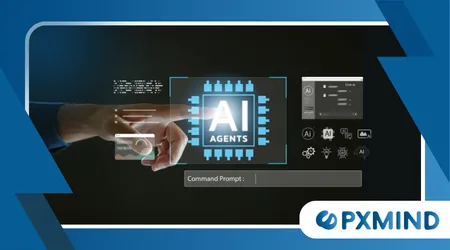
L'apprendimento assistito dall'intelligenza artificiale sta cambiando l'acquisizione delle competenze. smantellando il modello educativo obsoleto, basato sulla "fabbrica", e sostituendolo con una partnership cognitiva fluida che si adatta al cervello umano in tempo reale.
Annunci
Riepilogo
- Oltre l'automazione: Il passaggio dai contenuti digitalizzati al coaching cognitivo attivo.
- Il fattore di carico cognitivo: Come le reti neurali identificano la frustrazione prima ancora che lo faccia chi apprende.
- Il ciclo di feedback: Perché la correzione immediata è l'unico modo per raggiungere una profonda padronanza.
- Impatto strutturale: Uno sguardo ai tassi di adozione e al confine sempre più labile tra lavoro e studio.
- L'orizzonte 2026: Esplorare l'intersezione tra neuroplasticità e interfacce multimodali.
Cos'è l'apprendimento assistito dall'intelligenza artificiale e come funziona?
L'aula tradizionale spesso sembra una trasmissione al rallentatore, ma L'apprendimento assistito dall'intelligenza artificiale sta cambiando l'acquisizione delle competenze. trasformando i dati in una conversazione.
Non stiamo parlando solo di chatbot; stiamo assistendo all'emergere di architetture neurali in grado di analizzare la logica di uno studente.
Questi sistemi utilizzano modelli linguistici su larga scala (LLM) per mappare i "grafi della conoscenza". Se ti imbatti in un concetto specifico, l'IA non si limita a ripetere la definizione a voce più alta, ma cambia registro, offrendo una nuova analogia o un modello mentale diverso.
Il software non si limita a tracciare le risposte corrette o errate. Monitora la cadenza dei clic e gli schemi specifici degli errori, creando un percorso personalizzato che rispetta il ritmo cognitivo individuale di ciascun utente.
I tutor digitali hanno finalmente superato l'era dei "test a risposta multipla". Ora utilizzano metodi socratici, spingendo lo studente a giustificare il proprio ragionamento, il che costringe il cervello a sintetizzare le informazioni anziché limitarsi a memorizzarle.
Perché l'apprendimento assistito dall'intelligenza artificiale sta cambiando così rapidamente l'acquisizione delle competenze?
Il vero catalizzatore è la fine del "divario di feedback". Nei contesti tradizionali, si possono aspettare giorni per un compito corretto, quando ormai la mente è già passata ad altro.
Nel 2026, il ciclo si chiude in millisecondi. Questo rinforzo immediato è cruciale per la neuroplasticità: fissa le informazioni corrette nella memoria a lungo termine mentre le vie neurali sono ancora "attive" e ricettive al cambiamento.
È in atto anche un profondo cambiamento sociale. L'istruzione di alto livello, un tempo appannaggio esclusivo delle costose università della Ivy League, sta ora diventando accessibile a chiunque disponga di una connessione dati di base.
La necessità economica detta legge. Poiché la durata utile delle competenze tecniche si riduce a meno di cinque anni, la capacità di adattarsi e apprendere una nuova disciplina in pochi mesi, anziché in anni, non è più un lusso, ma una necessità per la sopravvivenza.
++ Elaborazione appropriata al trasferimento: imparare il modo in cui utilizzerai l'abilità
In che modo la personalizzazione tramite intelligenza artificiale migliora la memorizzazione?
La scienza cognitiva ha a lungo sostenuto la ripetizione spaziata, eppure gli esseri umani sono notoriamente incapaci di monitorare le proprie curve di oblio. L'intelligenza artificiale non ha questo problema.
Anziché una revisione generica, queste piattaforme propongono sfide proprio quando la memoria inizia a vacillare. È un colpo preciso al subconscio, che rende il processo di apprendimento stranamente intuitivo, quasi come una seconda pelle.
Ricerche recenti pubblicate in Portafoglio Natura Si evidenzia che questi ambienti adattivi superano in prestazioni le aule statiche perché mantengono uno stato di "sfida ottimale": non troppo facile da causare noia, né troppo difficile da provocare esaurimento.
Questo equilibrio si concentra sulla zona di sviluppo prossimale. Gestendo il carico cognitivo, l'IA garantisce che il cervello rimanga in uno stato di flusso ad alta concentrazione, dove si verifica l'apprendimento più duraturo.
Quali settori industriali traggono maggior vantaggio dalla padronanza delle competenze guidata dall'intelligenza artificiale?
Mentre l'intera economia si sta trasformando, la sanità e l'ingegneria del software rappresentano i principali laboratori di questa rivoluzione. La posta in gioco in questi settori è altissima, e l'efficacia della formazione guidata dall'intelligenza artificiale diventa letteralmente una questione di vita o di morte.
Oggi i chirurghi si addestrano utilizzando i gemelli digitali dei loro pazienti. L'intelligenza artificiale monitora i loro movimenti microscopici, fornendo resistenza tattile e analisi basate sui dati che i tutor umani potrebbero non notare durante un intervento chirurgico ad alta pressione.
Per saperne di più: Spaziatura temporale: come la pianificazione delle sessioni di studio riprogramma la memoria
Gli sviluppatori di software hanno in gran parte abbandonato il modello "bootcamp" a favore di ambienti integrati. Apprendono nuovi framework mentre scrivono codice di produzione, con agenti di intelligenza artificiale che fungono da programmatori esperti e permanenti.
| Industria | Aumento della velocità di allenamento | Miglioramento della fidelizzazione | Tasso di adozione dell'IA (2026) |
| Tecnologia | 45% | 30% | 88% |
| Assistenza sanitaria | 35% | 40% | 72% |
| Finanza | 25% | 20% | 65% |
| Istruzione | 50% | 35% | 91% |
Quali sono le principali sfide dell'apprendimento integrato con l'intelligenza artificiale?
C'è qualcosa di leggermente inquietante nell'affidare la nostra curiosità a un algoritmo. Se la macchina fornisce sempre la risposta, rischiamo di perdere quella "lotta" che definisce la vera crescita intellettuale.
Gli educatori sono giustamente preoccupati per l'effetto "scatola nera". Se uno studente giunge alla conclusione corretta attraverso un percorso guidato dall'intelligenza artificiale, per quanto imperfetto, ha davvero imparato qualcosa o ha semplicemente imparato a seguire le istruzioni?
La sovranità dei dati è l'altro problema spinoso. Queste piattaforme, per funzionare, necessitano di accedere alle nostre abitudini cognitive più intime, il che comporta un'enorme responsabilità etica riguardo al modo in cui tali dati vengono archiviati e utilizzati.
++ Come il minimalismo decisionale aumenta i livelli di produttività quotidiana
Dobbiamo inoltre prestare attenzione ai pregiudizi algoritmici. Se i dati di addestramento riflettono una visione del mondo ristretta, l'IA inavvertitamente eliminerà la diversità di pensiero, portando a un intelletto globale omogeneizzato e privo di sfumature locali.
In che modo l'apprendimento assistito dall'intelligenza artificiale sta cambiando l'acquisizione di competenze sul posto di lavoro?
L'era dei "seminari di un'intera giornata" sta fortunatamente volgendo al termine. La formazione aziendale si è evoluta in momenti di micro-apprendimento invisibili che si verificano all'interno degli strumenti che i dipendenti utilizzano quotidianamente.
Questa integrazione significa L'apprendimento assistito dall'intelligenza artificiale sta cambiando l'acquisizione delle competenze. Rendendo l'acquisizione di conoscenza un sottoprodotto del lavoro, anziché una distrazione da esso. L'apprendimento diventa un processo costante e in sottofondo.
I manager moderni stanno spostando la loro attenzione sulla mappatura predittiva delle competenze. Utilizzano l'intelligenza artificiale per prevedere una carenza di talenti con sei mesi di anticipo, consentendo al team di migliorare collettivamente le proprie competenze prima che la crisi si manifesti.
Questo crea una cultura di sicurezza psicologica. I dipendenti sono più disposti ad affrontare compiti non familiari quando sanno che un mentore digitale è disponibile 24 ore su 24, 7 giorni su 7, per individuare i loro errori prima che si trasformino in fallimenti pubblici.
Quando è opportuno passare a un modello di apprendimento assistito dall'intelligenza artificiale?
La soglia è stata superata già da tempo. In un mondo in cui le informazioni diventano obsolete a un ritmo sempre più accelerato, rimanere ancorati ai metodi di apprendimento manuali è la ricetta per la stagnazione professionale.
Ritardare l'adozione di questi strumenti porta a un "debito cognitivo". Non si tratta solo di rimanere indietro; si perde la capacità di interagire con i sistemi stessi che definiscono l'economia moderna.
L'approccio più intelligente è quello di iniziare con competenze che richiedono grande velocità di apprendimento, come la programmazione, le lingue straniere o l'analisi di dati tecnici, ambiti in cui la capacità dell'IA di fornire un feedback oggettivo e binario risulta più efficace.
In definitiva, l'obiettivo è l'aumento delle capacità. Cerchiamo una sinergia in cui l'IA si occupi del lavoro più gravoso di recupero e strutturazione delle informazioni, lasciando la mente umana libera di dedicarsi a strategie di livello superiore e alla sintesi creativa.
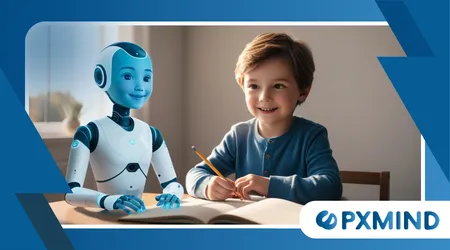
Conclusione
Il cambiamento è di natura tettonica. L'apprendimento assistito dall'intelligenza artificiale sta cambiando l'acquisizione delle competenze. dimostrando che il “talento” è spesso solo un sottoprodotto del ricevere il giusto feedback al momento giusto.
Considerando l'istruzione come un dialogo personalizzato e permanente, anziché come un prodotto standardizzato, stiamo entrando in un'era di autonomia umana senza precedenti.
La sfida ora non è trovare le informazioni, ma avere il coraggio di lasciare che la macchina ci aiuti a padroneggiarle.
Per approfondire le implicazioni tecniche di questo cambiamento, consultare gli ultimi report all'indirizzo MIT Technology Review.
Domande frequenti
L'intelligenza artificiale può sostituire la necessità degli insegnanti?
Tutt'altro. Li libera. Automatizzando gli aspetti ripetitivi dell'insegnamento, gli educatori possono finalmente concentrarsi sul tutoraggio, sull'intelligenza emotiva e sull'etica complessa: cose che le macchine non possono toccare.
Questa tecnologia è accessibile a tutti?
I costi stanno diminuendo rapidamente. Man mano che i modelli di intelligenza artificiale diventano più efficienti, il prezzo di un tutor di altissimo livello si sta avvicinando a quello di un abbonamento internet di base, democratizzando l'istruzione d'élite a livello globale.
Questo ci renderà eccessivamente dipendenti dalla tecnologia?
È una preoccupazione legittima. I sistemi migliori sono progettati come un'impalcatura: forniscono supporto durante la fase di apprendimento, ma alla fine si ritirano, lasciando all'utente un insieme di competenze permanenti e indipendenti.
Come facciamo a sapere se l'IA sta dicendo la verità?
Nel 2026, molte piattaforme di apprendimento utilizzano tecniche di "radicamento", collegando le risposte dell'IA direttamente a database accademici verificati per eliminare le allucinazioni e garantire l'accuratezza fattuale.
L'intelligenza artificiale può insegnare competenze trasversali come la leadership?
Sorprendentemente, sì. Attraverso sofisticate simulazioni di ruolo, l'intelligenza artificiale può aiutare le persone a esercitarsi in conversazioni difficili, fornendo feedback su tono, empatia e chiarezza in un ambiente a basso rischio.
++ Come l'intelligenza artificiale facilita l'apprendimento e lo sviluppo delle competenze
++ In che modo l'intelligenza artificiale influenzerà lo sviluppo delle competenze in ambito educativo?