
L'impatto del raggruppamento delle notifiche sulla produttività giornaliera
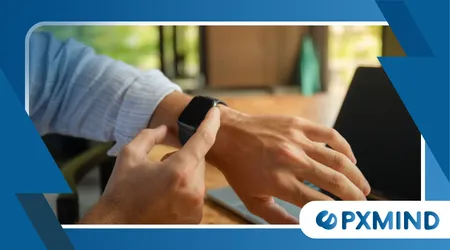
Raggruppamento delle notifiche è emerso come un punto di riferimento psicologico fondamentale per i professionisti che si sforzano di riappropriarsi della propria sovranità cognitiva in un panorama digitale sempre più frammentato.
Annunci
Riepilogo
- I meccanismi nascosti delle interruzioni digitali.
- Neurobiologia e l'alto costo del passaggio da un'attività all'altra.
- Modelli pratici per una profonda integrazione lavorativa.
- Risultati basati sui dati relativi all'espansione del tempo di concentrazione.
- Prevenire il burnout attraverso la definizione di confini sensoriali.
Che cos'è il raggruppamento delle notifiche e perché è importante?
La maggior parte di noi opera in uno stato di attenzione parziale continua, reagendo a ogni vibrazione come se fosse un segnale di sopravvivenza.
In sostanza, questa pratica consiste nel silenziare le notifiche immediate e programmarne la visualizzazione a intervalli specifici e intenzionali durante la giornata.
Questo cambiamento va ben oltre il rozzo strumento della modalità "Non disturbare". Crea una finestra di comunicazione strutturata, garantendo che tu elabori le informazioni solo quando il tuo cervello ha la capacità di gestirle.
Essere completamente alla mercé di un algoritmo è intrinsecamente estenuante; adottando questo metodo, si resiste attivamente a questa trappola dell'urgenza.
Questa strategia garantisce che i tuoi strumenti siano al servizio dei tuoi obiettivi professionali, anziché causare il tuo esaurimento mentale.
In che modo il passaggio da un'attività all'altra influisce sull'efficienza del cervello?
Ogni volta che una notifica di Slack o un suono di notifica di un'email interrompono il tuo flusso di lavoro, il tuo cervello paga un "costo di commutazione" che spesso è invisibile ma matematicamente devastante.
Le ricerche indicano che occorrono quasi 23 minuti per ritrovare lo stato di profonda concentrazione originario dopo una singola distrazione.
Dal punto di vista neurologico, queste frequenti interruzioni innescano circuiti di dopamina che ci inducono a dare priorità a compiti superficiali e facili rispetto a risultati significativi.
Nel tempo, questo continuo alternarsi di attenzione e concentrazione indebolisce i circuiti neurali necessari per l'intensa attività di risoluzione di problemi complessi.
++ Come il lavoro asincrono migliora la produttività e la concentrazione
Raggruppare queste distrazioni in finestre temporali specifiche attenua questo attrito. Invece di cento micro-interruzioni, ci si trova ad affrontare pochi controlli intenzionali, preservando il proprio "stato di flusso" come risorsa protetta.
Perché le aziende più performanti dovrebbero adottare questa strategia nel 2026?
In un mercato del lavoro sempre più caratterizzato da un'elevata produttività creativa, proteggere la propria attenzione è diventato un vantaggio competitivo fondamentale.
La capacità di pensare in profondità sta diventando una merce rara in un mondo progettato per tenerci incollati allo schermo e farci reagire d'impulso.
Secondo la ricerca evidenziata da Associazione psicologica americanaIl multitasking può ridurre la produttività fino a 40%.
È un errore comune pensare che "siamo più produttivi" rispondendo rapidamente; in realtà, stiamo semplicemente facendo più cose, ma in modo scadente.
Coltivare una reputazione di persona riflessiva piuttosto che meramente reattiva eleva il proprio prestigio professionale.
La qualità della comunicazione migliora significativamente quando le risposte vengono redatte durante periodi di calma e concentrazione, piuttosto che nelle frenetiche pause tra una riunione e l'altra.

Quali sono i benefici quantificabili degli intervalli di concentrazione?
La differenza tra una giornata lavorativa interrotta e una giornata lavorativa senza interruzioni spesso si traduce nella differenza tra sentirsi esausti e sentirsi appagati.
Per saperne di più: Come usare le “Giornate a Tema” per rimanere concentrati
I dati delle verifiche di produttività del 2025 rivelano un divario di prestazioni sorprendente.
| Metrico | Avvisi immediati | Strategia di raggruppamento |
| Tempo di recupero della concentrazione | 120 minuti al giorno | 15 minuti al giorno |
| Livelli di ansia riportati | Alto (78%) | Basso (24%) |
| Tasso di completamento delle attività | 65% | 92% |
| Ore medie di lavoro profondo | 1,2 ore | 4,5 ore |
Quali strumenti facilitano una gestione efficace delle notifiche?
I moderni sistemi operativi si sono finalmente adeguati alle esigenze dei professionisti più esigenti. Sia iOS che Android offrono ora funzionalità native per raggruppare le notifiche in riepiloghi inviati a orari specifici, come le 9:00, le 13:00 e le 18:00.
Le applicazioni di terze parti si spingono oltre, filtrando gli avvisi in base all'importanza delle parole chiave o alla gerarchia del mittente.
Ciò garantisce che una vera emergenza proveniente da un cliente o da un familiare riesca comunque a superare la barriera, mentre le email di marketing o gli aggiornamenti sui social media rimangono invisibili.
++ Perché il recupero dalla sovrastimolazione è fondamentale per l'equilibrio mentale oggi
Integrare queste abitudini nel proprio calendario previene la "stanchezza da collaborazione", segnalando al team che il lavoro migliore si svolge durante periodi di silenzio digitale intenzionale e indisturbato.
Come implementare una routine di elaborazione batch senza perdere le emergenze?
Un timore comune è che "isolarsi" possa portare a conseguenze disastrose, ma la realtà raramente è così drammatica. Inizia creando un elenco di "Contatti critici" nelle impostazioni del tuo smartphone. Consenti alle chiamate o ai messaggi di familiari o superiori diretti di saltare i periodi di silenzio.
Aumenta gradualmente la durata dei tuoi momenti di concentrazione. Potresti iniziare con un controllo ogni ora, per poi passare a tre finestre temporali principali: la mattina, dopo pranzo e prima di terminare la tua giornata lavorativa.
È inoltre utile spiegare questo protocollo ai colleghi. Definire aspettative chiare riguardo ai tempi di risposta riduce la pressione sociale a essere "sempre reperibili" e spesso incoraggia gli altri a ritrovare la concentrazione.
Che impatto ha tutto ciò sulla salute mentale a lungo termine?
La costante connettività digitale rimane una delle principali cause di burnout sul posto di lavoro moderno.
Il cervello umano non si è evoluto per elaborare simultaneamente un flusso infinito di informazioni globali e stimoli locali; ha bisogno di "spazi vuoti" per recuperare dal carico cognitivo.
Riacquistare il controllo sul proprio ambiente digitale è direttamente collegato a una maggiore soddisfazione lavorativa e a una migliore regolazione emotiva. Quando non si viene continuamente disturbati dalle notifiche, i livelli di ormoni dello stress hanno la possibilità di stabilizzarsi.
Questo favorisce un confine più sano tra lavoro e vita privata, permettendoti di essere veramente presente durante il tuo tempo libero, perché la tua mente non si sofferma su una scia dispersiva di rumore digitale irrisolto.
La padronanza della propria attenzione è l'abilità suprema dell'era moderna. Trasforma un'esistenza digitale caotica in un ambiente professionale snello e altamente produttivo, in cui sei l'artefice del tuo cambiamento, non la vittima.
Dare priorità al lavoro profondo rispetto alle reazioni superficiali è il modo in cui si costruiscono carriere significative. Smetti di lasciare che i tuoi dispositivi dettino il tuo ritmo e inizia a recuperare le ore rubate da interruzioni inutili e frequenti.
Per ulteriori approfondimenti su come ottimizzare il tuo ambiente professionale, esplora il Università di Stanford, Mondo del Lavoro risorse sul benessere digitale e sulle prestazioni cognitive.
Domande frequenti
Questo approccio è adatto a ruoli a diretto contatto con i clienti?
Certamente, anche se richiede di chiarire le aspettative. Informare i clienti che si controllano i messaggi a intervalli specifici per fornire risposte più complete e mirate è solitamente visto come un segno di professionalità, non di indisponibilità.
Rischio di perdere informazioni importanti?
Non se configuri correttamente le impostazioni. Definendo le priorità, ti assicuri che gli avvisi critici ti raggiungano immediatamente, mentre quelli non essenziali vengono bloccati.
Quanto tempo ci vuole per vedere i risultati?
La maggior parte delle persone nota una diminuzione dell'affaticamento mentale entro le prime quarantotto ore. Entro una settimana, questa abitudine si traduce solitamente in una maggiore produttività e in una giornata lavorativa più serena.
È meglio raggruppare le notifiche o disattivarle completamente?
La gestione in batch è spesso più sostenibile. Il silenzio totale può scatenare l'"ansia da controllo", portandoti a controllare manualmente il telefono più spesso. La gestione in batch offre la sicurezza di sapere che le informazioni saranno disponibili quando sarai pronto a consultarle.
Posso applicare questo concetto specificamente ai social media?
Sì, e probabilmente dovresti farlo. Molti esperti raccomandano di controllare i social network solo una volta al giorno. Questo interrompe il ciclo di dopamina che ti spinge a controllare l'interazione proprio durante le ore di maggiore produttività.
++ Ecco perché raggruppare le email è meglio che controllarle continuamente
++ In che modo l'eccesso di notifiche influisce sulla produttività e sui livelli di stress?
