
A partire dal 2026, la MLB implementerà il sistema di sfida automatica di palla e strike (ABS Challenge System)
Cos'è il sistema di contestazione MLB ABS?
La Major League Baseball ha ufficialmente integrato il sistema automatizzato di valutazione della palla e dello strike (ABS) per la stagione 2026, optando per un modello ibrido di verifica anziché per un arbitro completamente robotico.
Annunci
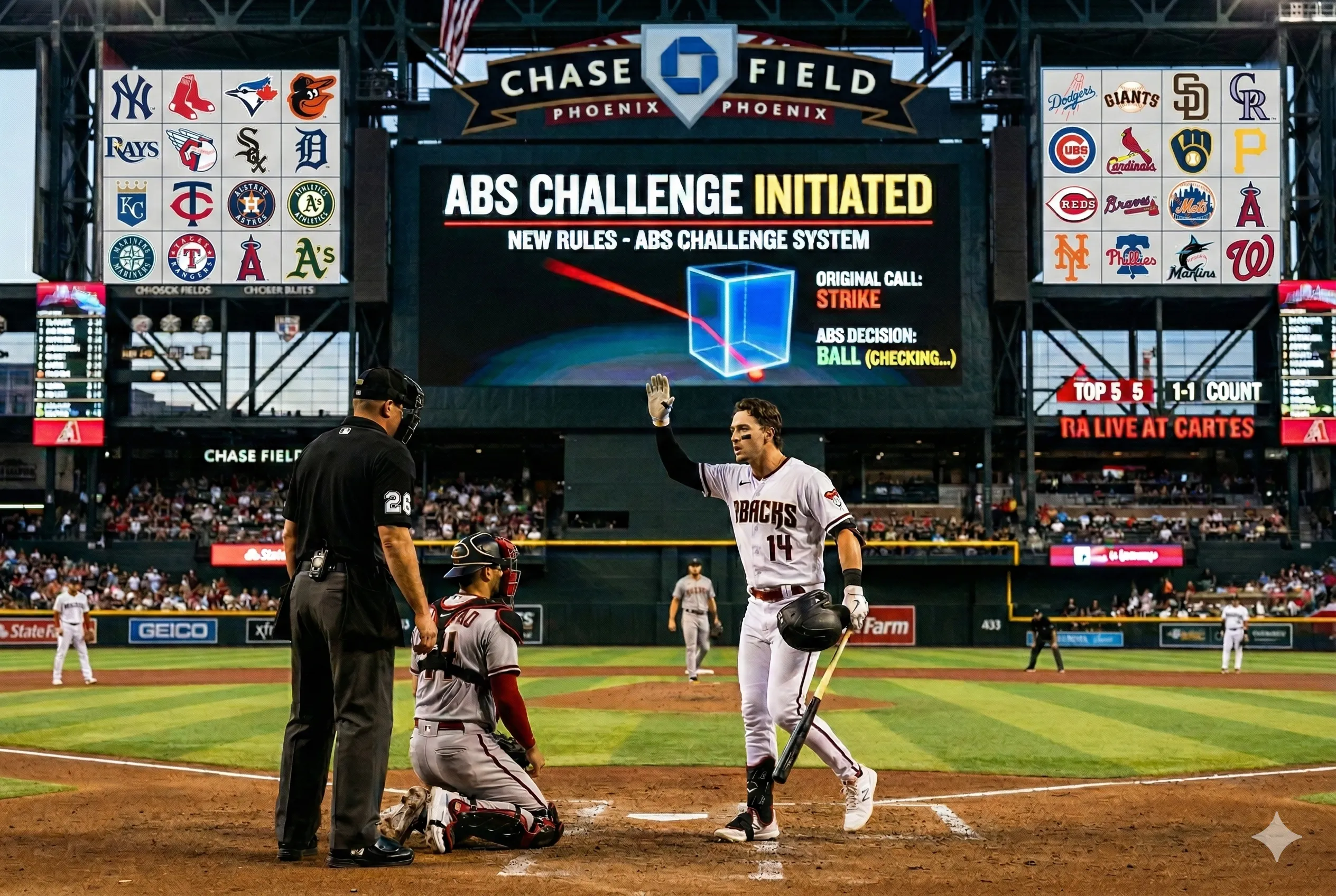
Questo specifico sistema consente agli arbitri umani di continuare a dirigere le partite, concedendo al contempo alle squadre un numero limitato di opportunità per contestare le decisioni tramite un sistema di tracciamento ottico ad alta precisione.
Questo cambiamento rappresenta un impegno per l'equità, che coniuga l'estetica tradizionale dello sport con l'innegabile precisione dei sensori moderni e dei sistemi di telecamere sincronizzate.
Mantenendo l'elemento umano al centro, ma supportandolo con i dati, la MLB mira a eliminare gli errori "clamorosi" che spesso diventano virali sui social media e influenzano le cruciali corse ai playoff.
Come funziona la tecnologia ABS nel 2026?
Il fulcro di questo sistema è la tecnologia di tracciamento di Hawk-Eye Innovations, che utilizza dodici telecamere ad alta velocità installate intorno allo stadio per mappare la traiettoria tridimensionale del pallone.
La zona di strike di ciascun giocatore viene digitalizzata in base alla sua posizione e altezza, creando un prisma rettangolare personalizzato che la palla deve intersecare per essere considerata uno strike.
Quando viene attivata una contestazione, i dati relativi all'azione vengono immediatamente trasmessi al tabellone segnapunti, mostrando una rappresentazione visiva della traiettoria del lancio rispetto alla zona.
Questo processo richiede meno di quindici secondi, garantendo che il ritmo di gioco rimanga sostenuto e offrendo al contempo la precisione assoluta che tifosi e giocatori richiedono da tempo.
Perché la MLB ha scelto il Challenge System invece della completa automazione?
I dati provenienti dalle leghe minori suggeriscono che un arbitro robotizzato completamente automatizzato abbia cambiato l'anima del gioco, rendendo obsolete le capacità di "incorniciare" dei ricevitori e privandolo dell'intensità emotiva.
Il Challenge System preserva l'arte di "ricevere" i lanci, premiando i ricevitori che riescono a influenzare la percezione dell'arbitro e fornendo al contempo una rete di sicurezza per i momenti più critici.
Sia i giocatori che i tifosi hanno preferito questo approccio “il meglio dei due mondi”, dove Novas Regras e Tecnologia Agire come un controllo sulla realtà piuttosto che come un sostituto degli esseri umani.
Ciò impedisce che la zona "perfetta" diventi troppo prevedibile, cosa che, secondo molti battitori, porterebbe a un'esplosione offensiva in grado di squilibrare lo storico rapporto tra lanciatore e battitore.
Quali regole disciplinano il numero di sfide per partita?
Secondo le linee guida del 2026, ogni squadra inizia la partita con tre contestazioni; tuttavia, conserva la possibilità di contestare la decisione se la successiva ribaltamento dimostra che i sospetti della squadra erano fondati.
Solo il lanciatore, il ricevitore o il battitore coinvolti nella specifica azione possono avviare una contestazione, impedendo così agli allenatori di rallentare il gioco con continui segnali dalla panchina.
Questa limitazione costringe le squadre ad adottare una strategia, riservando le proprie azioni offensive per le fasi finali della partita, in situazioni di alta pressione in cui una singola palla o uno strike potrebbero determinare l'esito finale.
Secondo Aggiornamenti ufficiali del regolamento della MLBL'obiettivo è garantire che i lanci più importanti della partita vengano chiamati con una certezza matematica del 100%.
Quali sono gli impatti previsti sulla durata e sulla strategia di gioco?
I dati di inizio stagione indicano che l'ABS Challenge System non ha aumentato in modo significativo la durata media delle partite, grazie all'efficienza dell'infrastruttura software sottostante di Hawk-Eye.
In realtà, la presenza di Novas Regras e Tecnologia Ha ridotto le discussioni tra giocatori e arbitri, portando a un minor numero di espulsioni e a meno tempo morto speso in dispute sui calci alla terra.
I lanciatori stanno ora adattando le loro sequenze, sapendo di non poter fare affidamento su zone di lancio "ampie", mentre i battitori stanno diventando più disciplinati, confidando che la tecnologia premierà la loro pazienza.
La metrica del "framing", un tempo la statistica più preziosa per i ricevitori, viene sostituita dal "tasso di successo delle contestazioni", poiché la capacità di identificare le chiamate errate sta diventando fondamentale.
Dati comparativi: sistema di sfida tradizionale vs. ABS
| Metrico | Arbitraggio tradizionale (prima del 2026) | Sistema di sfida ABS (2026) |
| Tasso di accuratezza | ~92-94% | 99,9% (su campi difficili) |
| Tempo medio di gioco | 2 ore e 40 minuti | 2 ore e 42 minuti |
| Valore di inquadratura del ricevitore | Alta priorità | Moderato/Strategico |
| Espulsioni dei giocatori | 1,2 ogni 100 partite | 0,3 ogni 100 partite |
Quando verranno apportati ulteriori aggiornamenti a queste normative?
L'ufficio del Commissario ha dichiarato che la stagione 2026 funge da punto di riferimento per l'implementazione a lungo termine, con un comitato che esamina i dati ogni sei mesi per apportare eventuali modifiche.
Se il tasso di successo delle contestazioni rimane eccezionalmente alto, la lega potrebbe valutare la possibilità di aumentare il numero di contestazioni o di estendere il sistema per includere, in futuro, anche le decisioni di verifica.
Per ora, l'attenzione rimane concentrata sul perfezionamento dei confini verticali e orizzontali della zona di battuta, per garantire che rispecchino la realtà fisica dei diversi stili e posizioni di battuta.
L'integrazione di Novas Regras e Tecnologia È un viaggio, non una destinazione, poiché la lega cerca di armonizzare l'atmosfera "vecchia scuola" con la precisione "moderna".
In che modo questo cambiamento influisce sulle scommesse sportive e sull'analisi dei dati?
L'introduzione di Novas Regras e Tecnologia ha rivoluzionato i mercati delle scommesse, in particolare le scommesse "in diretta", poiché l'incertezza della zona di strike umana viene in gran parte attenuata.
Gli analisti ora possono prevedere le prestazioni dei giocatori con maggiore sicurezza, sapendo che un battitore con un'ottima disciplina al piatto non verrà penalizzato da un arbitro di casa base poco efficiente.
Questo cambiamento ha portato a un'impennata di punti dati specializzati, dove le squadre monitorano la "coerenza della zona" per aiutare i loro lanciatori a capire esattamente dove vengono tracciate le linee digitali.
L'era dell'"osservatore degli arbitri" sta tramontando, sostituita da sofisticati algoritmi che prevedono come diversi archetipi di lanciatore si comporteranno contro la rigida e inflessibile zona di strike digitale.
Gli arbitri sono favorevoli a questi cambiamenti tecnologici?
L'Associazione mondiale degli arbitri ha raggiunto un accordo storico per sostenere Novas Regras e Tecnologia, riconoscendo che il sistema protegge i propri membri da un'intensa attenzione da parte del pubblico e dei media.
Gli arbitri mantengono tuttora le loro responsabilità tradizionali, tra cui le chiamate di salvo/eliminato, le decisioni di giusto/fallo e il mantenimento del controllo generale della partita, preservando così la loro reputazione professionale e il loro ruolo essenziale.
Eliminando l'obbligo di essere "perfetti" su ogni palla veloce a 160 km/h, gli arbitri possono concentrarsi sulla gestione della partita e garantire che le regole vengano applicate in modo coerente in entrambe le panchine avversarie.
La maggior parte dei veterani ha accolto con favore questo strumento come un modo per prolungare la propria carriera, riducendo la fatica fisica e mentale associata al monitoraggio di migliaia di lanci ad alta velocità ogni anno.
Conclusione
La stagione MLB 2026 segna l'inizio di un'era più equa e trasparente in cui Novas Regras e Tecnologia garantire che sia il talento, non la fortuna, a decidere i campioni. Mentre l'"elemento umano" rimane una parte amata della storia del baseball, l'ABS Challenge System fornisce un ponte necessario verso un futuro in cui la precisione è lo standard più elevato. I tifosi possono ora guardare la partita con la certezza che la zona di strike non è più una questione di opinione, ma una questione di fatto. Per un'analisi più dettagliata delle specifiche tecniche di questi sistemi, visitare Prospetto del baseball per ricerche statistiche approfondite.
FAQ (Domande frequenti)
Un manager può contestare uno strikeout?
Sì, se il terzo strike è stato chiamato strike, il battitore può immediatamente richiedere una verifica ABS per accertare la posizione della palla prima di lasciare il box di battuta.
Quante contestazioni può effettuare una squadra nei tempi supplementari?
In genere le squadre mantengono tutte le contestazioni rimaste dopo i tempi regolamentari, ma alcuni formati del torneo del 2026 prevedono una contestazione aggiuntiva per ogni inning supplementare giocato.
Il sistema ABS rileva la "rottura" della palla?
Il sistema traccia l'intera traiettoria di volo, ma la decisione si basa esclusivamente sul fatto che una qualsiasi parte della palla abbia toccato o meno la zona di impatto tridimensionale definita.
Il lanciatore può contestare una chiamata di "palla"?
Assolutamente. Se un lanciatore ritiene che un lancio abbia sfiorato l'angolo per essere uno strike, può segnalare al ricevitore di avviare immediatamente la procedura di challenge.
Cosa succede se la tecnologia si guasta durante una partita?
Nel raro caso di un malfunzionamento hardware o software, il gioco torna interamente alle decisioni dell'arbitro umano fino a quando il sistema non viene ricalibrato e ripristinato.