
How Brain Age Gap Models Reveal Hidden Brain Health
Brain Age Gap Models Reveal Hidden Brain Health by comparing your biological neural markers against chronological expectations to identify early signs of neurodegeneration or resilience.
Anúncios
Summary
- The Divergence: Why your birth certificate rarely matches your neural reality.
- Algorithmic Insight: The transition from static MRI scans to dynamic predictive modeling.
- Forecasting Risk: Moving beyond diagnosis toward proactive neurological mapping.
- Environmental Nuance: How daily choices etch themselves into our cortical thickness.
What is the Science Behind Brain Age Gap Models?
Neuroscience has finally moved past the era of simply looking for “holes” or tumors in the brain.
Instead, we are entering a phase of predictive cartography where researchers use deep learning to evaluate thousands of structural features simultaneously.
These systems don’t just see a brain; they see a statistical trajectory learned from tens of thousands of healthy individuals.
They recognize the specific, almost invisible patterns of gray matter thinning and white matter decay.
When a 45-year-old’s scan mirrors the typical structure of a 60-year-old, we find a positive “gap.” This discrepancy is often the first quiet whisper of systemic health issues that have yet to surface clinically.
How Does Machine Learning Calculate Neural Longevity?
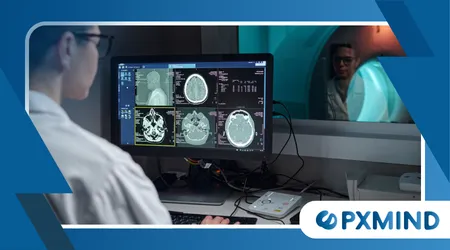
Modern algorithms dissect T1-weighted MRI images to quantify regional atrophy with a precision that makes human observation look like guesswork.
The software identifies subtle variations in the folds of the cortex that would otherwise go unnoticed.
By 2026, these models have evolved to integrate multimodal data, blending neuroimaging with genetic markers and proteomic profiles.
This isn’t just about volume anymore; it’s about the underlying integrity of the neural network.
By comparing an individual’s unique scan to a normative aging curve, the model generates a “Brain Age.” This number represents where your brain currently sits on the vast spectrum of human aging, regardless of your actual birthday.
Why Brain Age Gap Models Reveal Hidden Brain Health Better Than Cognitive Tests?
Traditional cognitive assessments are frustratingly reactive, often flagging issues only after functional loss has become undeniable.
They rely on performance, which can be easily masked by high IQ or “cognitive reserve.”
The beauty of these models lies in their ability to identify structural vulnerabilities years before a person forgets a name or loses their keys. This provides a vital, often missed window for aggressive preventative intervention.
++ The Role of the Default Mode Network in Creative Thinking
Structural changes in the hippocampus act as early warning signals, long before memory fails. These models bypass the subjective nature of testing, offering an objective, cold-hard look at the physical state of your neural hardware.
Which Factors Most Frequently Accelerate the Brain Age Gap?
It is somewhat unsettling how directly our metabolic failures translate into neural decline. Chronic inflammation and Type 2 diabetes don’t just affect the body; they essentially act as an accelerator for brain aging.
Read more: How the Brain Prioritizes Information Without You Noticing
Untreated hypertension is another silent architect of a wider gap, damaging the delicate microvasculature. This leads to white matter hyperintensities—tiny, silent scars that rapidly age the brain’s communication lines.
Key Drivers of Accelerated Brain Aging (Data 2025-2026)
| Factor | Impact Level | Primary Brain Region Affected |
| Chronic Sleep Deprivation | High | Prefrontal Cortex |
| Sedentary Lifestyle | Moderate | Hippocampal Volume |
| Metabolic Syndrome | High | Global Gray Matter |
| Chronic Stress (Cortisol) | High | Amygdala & Hippocampus |
What are the Clinical Implications for Neurodegenerative Disease?
A wide brain age gap is a hauntingly accurate predictor of dementia. Data shows that patients with a gap exceeding five years face significantly higher rates of cognitive impairment within the decade.
In the high-stakes world of clinical trials, these models are now used to measure if new neuroprotective drugs actually work. If the gap narrows, it suggests the treatment is successfully preserving the brain’s physical youth.
++ Encoding Variability: Why Studying the Same Topic in Different Ways Works
Furthermore, these metrics are shedding light on psychiatric conditions like schizophrenia and major depression.
These aren’t just “chemical imbalances”; they often manifest as distinct, accelerated aging patterns visible under the algorithmic lens.
How Can Lifestyle Interventions Reverse a Positive Brain Age Gap?
The brain is not a static piece of hardware; it possesses a stubborn plasticity. High-intensity interval training (HIIT), for instance, has shown a remarkable ability to shore up white matter integrity in aging adults.
The MIND diet—rich in antioxidants and specific healthy fats—isn’t just a trend; it correlates directly with a lower biological gap. These nutrients essentially provide the raw materials for structural maintenance.
Sleep remains the most overlooked tool in this arsenal. Quality deep sleep allows the glympathic system to act as a nightly janitor, clearing out the toxic amyloid-beta proteins that contribute to the aging process.
Research published in The Lancet Healthy Longevity confirms that managing cardiovascular risk is the most direct path to narrowing a widening gap.
When Should Someone Consider a Brain Age Assessment?
If there is a family history of neurodegeneration or persistent “brain fog,” a baseline assessment is invaluable. It transforms a vague fear into a measurable metric that can be tracked and managed.
Preventative screening is becoming a staple in longevity clinics for a reason. Understanding your trajectory at 40 allows for lifestyle pivots that could drastically alter your cognitive health at 80.
As these models become more refined, they will likely shift from luxury screenings to standard clinical practice. Access to this data allows us to stop guessing and start treating our brains with the specificity they require.
Reflections on the Future of Aging
The evolution of neuroimaging has turned the brain into a legible map of our lifestyle and genetics. We are no longer blind to the silent process of decay that precedes cognitive failure.
By leveraging AI, we can see the hidden health of our minds with a clarity that was impossible a decade ago. These tools bridge the divide between complex neuroscience and the practical steps we take every day.
The gap between our chronological age and our neural age is where our future quality of life resides. Monitoring that distance is the most sophisticated way to ensure our minds stay as vibrant as the years we hope to live.
For deeper technical insights into algorithmic neurobiology, consult the Nature Communications Neuroscience archives for the latest peer-reviewed data.
FAQ:
What is a “Normal” Brain Age Gap?
A gap within two years—plus or minus—of your chronological age is considered standard. Most people who maintain healthy habits stay within this narrow statistical range.
Can I actually lower my brain age?
Yes. Clinical evidence suggests that aggressive cardiovascular fitness and stress management can “rejuvenate” the brain’s appearance on a scan, sometimes reducing the gap by several years.
Is a high brain age an Alzheimer’s diagnosis?
Not at all. It is a marker of vulnerability. It means your brain looks older than it should, which is a signal to address underlying health issues before they become a clinical diagnosis.
How often should the gap be measured?
For those at risk, a scan every two years is becoming the gold standard. This allows doctors to see the “velocity” of aging rather than just a single point in time.
Is this covered by health insurance?
Currently, it remains largely elective or part of research protocols. However, as the predictive value becomes undeniable, we expect clinical adoption to follow suit.
++ Machine learning for brain age prediction
++ What Is a Brain Age Gap, and How May It Affect Thinking and Memory Skills?