
Why Starting Is the Hardest Part — and How to Begin
Almost everyone eventually realizes that starting Is the hardest part of tackling any meaningful project or ambitious daily goal today
Anuncios
. Taking that initial step requires immense mental energy and deep focus.
Human brains naturally prefer conserving energy over burning calories on unfamiliar or daunting tasks.
Overcoming this biological programming demands conscious effort and highly practical behavioral strategies.
Throughout this comprehensive guide, we will explore the deep psychology behind procrastination.
Readers will discover actionable momentum-building techniques and scientifically proven methods to conquer initial resistance effectively.
Below is a quick overview of our core topics before diving deep. Exploring these fundamental concepts helps professionals understand their own workflow bottlenecks and behavioral patterns better.

Why is taking the first step so incredibly difficult?
Psychological friction occurs because our minds perceive unknown efforts as potential threats.
We experience a literal emotional pain response when confronting highly complex or ambiguous responsibilities.
Researchers suggest that our limbic system battles the prefrontal cortex during these moments
. Immediate gratification often wins against long-term planning, leaving us stuck in endless delays.
Acknowledging this internal struggle represents the crucial first phase of overcoming it.
Professionals must realize that feeling stuck is a completely normal human reaction to stress.
What is the actual science behind chronic task avoidance?
Procrastination functions primarily as an emotion regulation problem rather than a simple time management issue. People avoid tasks to escape negative feelings associated with the hard work.
Anxiety, frustration, and self-doubt overwhelm our cognitive processing centers quite frequently.
By putting things off, individuals temporarily relieve those uncomfortable emotions, reinforcing a highly destructive cycle.
Understanding your personal emotional triggers allows you to build better coping mechanisms.
Addressing the underlying fear makes diving into difficult work significantly less intimidating overall.
How does perfectionism trigger our worst productivity delays?
Holding yourself to impossible standards practically guarantees you will struggle to begin anything.
Fear of producing mediocre results paralyses even the most talented and experienced professionals today.
Aiming for flawless execution on the first try creates an insurmountable mental barrier.
Accepting that rough drafts are necessary steps toward excellence liberates your creative energy entirely.
For deeper insights into how psychological barriers affect workplace performance, reading the Harvard Business Review’s research on perfectionism provides excellent strategies for ambitious business leaders.
When should you push through the initial emotional resistance?
Recognizing the difference between genuine fatigue and standard avoidance requires honest self-reflection daily.
If you are merely dodging discomfort, pushing through immediately is definitely the best choice.
Committing to just five minutes of active work often breaks the hesitation spell completely. Once motion begins, continuing becomes vastly easier than staying totally idle ever was.
Momentum acts as a powerful psychological catalyst for sustained high-level productivity.
++ La ciencia detrás de la pérdida de tiempo y la productividad perdida
Small actions compound rapidly, transforming daunting mountains of work into easily manageable professional molehills.
| Primary Trigger Factor | Psychological Description | Professional Impact Level |
| Task Aversion | Finding the specific work inherently boring or highly unpleasant. | Alto |
| Project Ambiguity | Lacking clear instructions or a strictly defined starting point. | Severo |
| Performance Anxiety | Fearing ultimate failure, harsh criticism, or falling short of goals. | Alto |
| Mental Fatigue | Experiencing actual physical exhaustion or severe cognitive professional burnout. | Moderado |

Which specific strategies actually help you take immediate action?
Breaking massive projects into ridiculously small micro-tasks eliminates the intimidating nature of the work. Writing a single sentence feels much lighter than drafting an entire corporate report.
Establishing a dedicated workspace also conditions your brain for immediate and intense focus.
Environmental cues strongly dictate our behavioral patterns, making consistency a vital productivity asset.
Many successful creators utilize the Pomodoro technique to bypass their internal resistance mechanisms entirely.
Working for twenty-five minutes followed by a short break makes everything feel manageable.
Another powerful tactic involves forgiving yourself for past delays and wasted time.
Leer más: Cómo terminar lo que empiezas (incluso cuando la motivación se desvanece)
Guilt only amplifies negative emotions, which paradoxically increases the likelihood of experiencing further procrastination.
What are the long-term benefits of mastering quick starts?
Consistently initiating tasks without hesitation builds profound self-trust and rock-solid personal confidence.
You slowly transform your identity into someone who reliably executes under immense corporate pressure.
Individuals who master this skill naturally outpace their peers in career advancement.
Generating early momentum frees up valuable time for strategic thinking and deep relaxation later.
Ultimately, accepting that starting Is the hardest part changes your entire perspective forever.
You stop waiting for fleeting motivation and rely on disciplined systems to drive results.
Those who reliably overcome the initial hurdle experience lower chronic stress levels overall
++ Por qué las oscilaciones neuronales son importantes para la memoria y la atención.
. Finishing projects ahead of strict deadlines provides immense psychological relief and lasting professional satisfaction.
How does modern technology both help and hinder progress?
Smartphones and social media algorithms are specifically designed to hijack our attention spans completely.
These digital distractions offer effortless dopamine hits, making hard work seem significantly worse.
Conversely, modern task management applications can effectively organize chaotic thoughts into actionable lists.
Using website blockers during critical work hours drastically reduces the temptation to stray online.
Finding a healthy balance requires setting strict boundaries around your daily digital consumption habits.
Treating technology as a specialized tool rather than a constant companion is absolutely essential.
Why is self-compassion a crucial element of sustained productivity?
Beating yourself up over missed deadlines rarely leads to improved future performance.
Harsh self-criticism generally creates more anxiety, leading directly back into the frustrating task avoidance trap.
Practicing gentle accountability encourages a growth mindset toward your daily professional responsibilities.
Recognizing small victories builds the emotional resilience needed to tackle tomorrow’s uniquely challenging tasks.
Embracing imperfection allows you to move forward even when environmental conditions are suboptimal.
Done is frequently better than perfect, especially when perfection prevents you from officially beginning.
What are the hidden costs of chronic procrastination habits?
Delaying important duties routinely leads to rushed efforts and significantly lower quality final outputs. We sacrifice our true potential when we compress our execution into tight time windows.
Financial consequences also arise when bills are paid late or investment opportunities are missed. Chronic avoiders frequently lose out on lucrative financial gains and vital career promotions.
Health metrics often decline as stress hormones flood the human body near looming deadlines. Knowing starting Is the hardest part should motivate you to protect your long-term well-being.
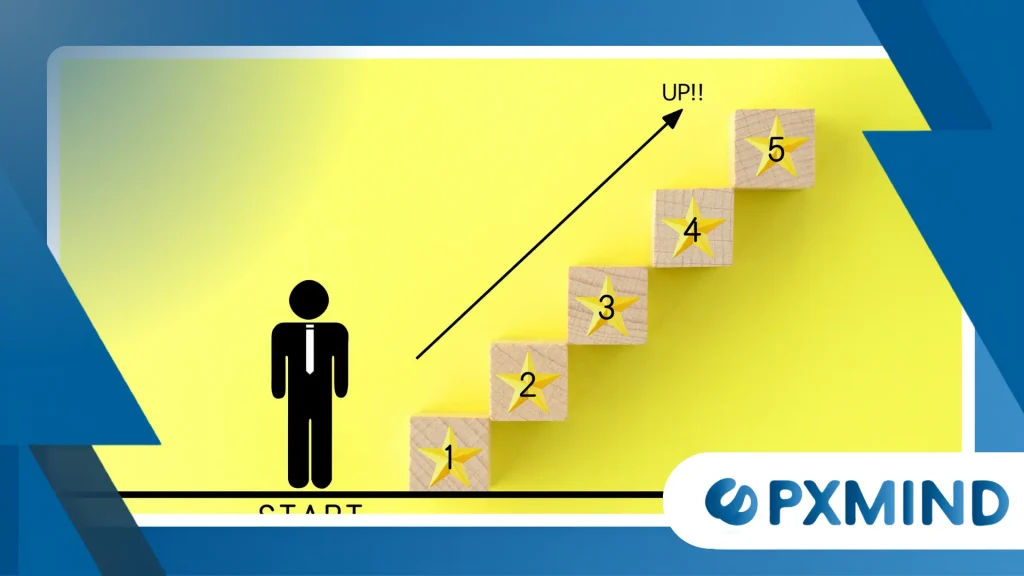
Conclusión
Conquering the initial friction of any complex task remains a lifelong journey for most people.
Implementing simple structural systems dramatically reduces the cognitive energy required to begin working daily.
Remember that natural motivation rarely precedes action; it usually follows immediately after you begin.
Taking that very first step unlocks your creative potential and destroys the lingering baseline anxiety.
By fully acknowledging that starting Is the hardest part, we normalize our daily workflow struggles.
Embrace the discomfort early, and watch your professional productivity soar to entirely new heights.
Additional evidence-based psychological insights on managing behavioral habits and stress exist online.
Visiting the American Psychological Association’s resources can provide excellent further guidance for building lasting resilience.
Preguntas frecuentes
Why do I always wait until the absolute last minute?
Strict deadlines create an intense panic response that temporarily overrides your emotional resistance completely.
Adrenaline forces your brain to focus, but relying on this method leads to severe burnout.
How can I trick my brain into starting a difficult task?
Deliberately lower your expectations for the first ten minutes of your scheduled work session.
Tell yourself you will only organize files; often, this sparks enough momentum to continue effortlessly.
Is procrastination always a sign of simple laziness?
Most psychologists agree that procrastination rarely stems from laziness; it is usually rooted in deep anxiety.
Intelligent people often delay things because they fear their efforts will fall short.
Does recognizing that starting Is the hardest part actually help?
Yes, consciously acknowledging this fact prevents you from feeling uniquely flawed or horribly broken inside.
It frames the temporary struggle as a universal human experience rather than a personal failure.