
How Emotional Dysregulation Patterns Affect Mental Balance
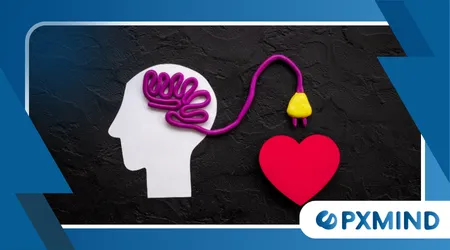
Emotional dysregulation patterns significantly impact daily functioning, forcing individuals to navigate intense, turbulent responses that undermine long-term psychological stability and overall well-being.
Anúncios
This guide explores the mechanics of emotional instability, offering clear, actionable insights to restore internal equilibrium effectively.
Summary
- The Core Mechanism: Understanding what defines these behavioral disruptions.
- Neurological Impact: How chronic stress alters basic brain functions.
- Daily Consequences: The direct effect on personal relationships and work.
- Evidence-Based Strategies: Proven clinical interventions for sustainable recovery.
What Are Emotional Dysregulation Patterns?
When we talk about emotional dysregulation, we are looking at a fundamental breakdown in how a person modulates their response to the world around them.
It is not just about having a bad day or feeling stressed; it is a profound, often exhausting inability to bring a spiked emotion back down to baseline.
Instead of a smooth wave of feeling and processing, the experience is more like a sudden, jagged cliff of anger, anxiety, or deep sadness that refuses to level out.
These difficulties typically stem from a complex combination of genetic predispositions, early childhood trauma, and neurological vulnerabilities.
When left unaddressed, they solidify into recognizable behavioral cycles that deeply disrupt a person’s life.
Over time, this constant internal friction erodes self-esteem and creates a pervasive sense of helplessness. Recognizing these signs early is crucial for implementing targeted therapeutic interventions and regaining personal autonomy.
How Does Emotional Dysregulation Affect Brain Chemistry?
Persistent emotional instability directly alters the delicate neurobiological balance within the human brain.
The amygdala, which governs fear and survival instincts, becomes chronically hyperactive and overreacts to minor everyday stressors.
Concurrently, the prefrontal cortex struggles to regulate these intense, incoming emotional signals effectively.
This structural disconnect impairs executive functioning, logical decision-making, and long-term behavioral control during stressful encounters.
Furthermore, prolonged activation of the sympathetic nervous system floods the human body with cortisol.
According to comprehensive neurological data published by the National Institutes of Health (NIH), chronic cortisol elevation structurally impairs memory centers over time.
Why Do These Patterns Undermine Mental Balance?
Maintaining psychological equilibrium requires a stable baseline of emotional resilience and cognitive flexibility.
When disruptive cycles dominate, individuals experience frequent, unpredictable mood swings that drain physical and mental energy reserves rapidly.
This constant state of hypervigilance prevents people from feeling truly safe or relaxed in their environments.
Consequently, cognitive resources are perpetually diverted toward survival mechanisms rather than creative or productive endeavors.
++ Why Mental Overstimulation Recovery Is Trending in 2026
Ultimately, this ongoing internal exhaustion erodes the foundational pillars of robust mental health. Without proper stabilization, individuals often develop secondary complications, including severe clinical depression, generalized anxiety, and persistent sleep disorders.
What Are the Most Common Behavioral Signs?
Recognizing specific manifestations of emotional instability is the first major step toward achieving lasting behavioral change.
These behavioral responses usually present as intense reactivity, prolonged emotional stagnation, or severe interpersonal conflict.
Read more: The Science of Psychological Detachment After Work Hours
Chronic Emotional Hyperreactivity
Some individuals respond to minor inconveniences with immediate, explosive bursts of anger or panic. This intense reaction usually happens because their nervous system perceives ordinary challenges as immediate, existential threats.
Emotional Blunting and Avoidance
Conversely, some people completely detach from their feelings to prevent painful overwhelm. While this protective numbing strategy offers temporary relief, it ultimately prevents authentic processing and deepens psychological isolation.
Statistical Overview of Mood Disruption Impacts
The widespread societal prevalence of emotional instability highlights the urgent need for accessible clinical resources.
++ How Neural Synchronization Affects Human Brain Performance
Recent epidemiological studies underscore how deeply these psychological challenges affect global public health outcomes.
| Diagnostic Category | Estimated Prevalence (%) | Primary Clinical Characteristic | Common Treatment Approach |
| Borderline Personality Disorder | 1.4% | Severe interpersonal instability | Dialectical Behavior Therapy |
| Generalized Anxiety Disorder | 3.1% | Persistent, uncontrollable worry | Cognitive Behavioral Therapy |
| Major Depressive Disorder | 8.4% | Prolonged loss of interest | Combined Therapy and Medication |
| Bipolar Disorder | 2.8% | Alternating manic and depressive phases | Mood Stabilizers and Psychoeducation |
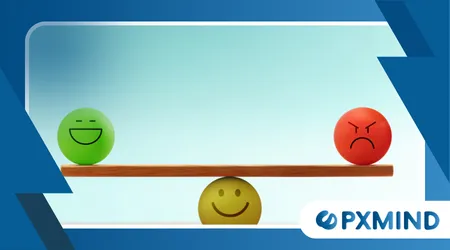
How Do These Behavioral Cycles Disrupt Relationships?
Healthy interpersonal relationships thrive on mutual predictability, empathetic communication, and emotional safety.
When someone exhibits volatile behavior, loved ones often feel like they are constantly walking on dangerous eggshells.
This instability frequently triggers intense arguments, deep misunderstandings, and sudden emotional withdrawals.
Over time, friends and family members may distance themselves to protect their own psychological well-being from chaos.
The resulting social isolation often amplifies the individual’s original feelings of rejection and loneliness.
This toxic feedback loop reinforces the destructive cycle, making external therapeutic intervention absolutely necessary for healing.
Which Evidence-Based Therapies Restore Mental Balance?
Modern psychology offers several highly effective, scientifically validated modalities to treat emotional instability.
These professional interventions help patients retrain their nervous systems, develop healthier coping mechanisms, and process deep-seated trauma.
- Dialectical Behavior Therapy (DBT): Focuses heavily on mindfulness, distress tolerance, and interpersonal effectiveness.
- Cognitive Behavioral Therapy (CBT): Helps individuals identify, challenge, and restructure negative, distorted thought patterns.
- Acceptance and Commitment Therapy (ACT): Encourages psychological flexibility and embracing emotions without judgment.
- Mindfulness-Based Stress Reduction (MBSR): Utilizes meditation to calm an overactive sympathetic nervous system.
When Should You Seek Professional Mental Health Support?
Experiencing occasional mood shifts is a completely normal, healthy part of the human experience.
However, when these disruptive shifts become frequent, uncontrollable, and destructive, professional intervention is highly recommended.
If emotional volatility consistently interferes with job performance, academic success, or foundational personal relationships, seek help.
Licensed therapists provide the essential framework needed to decipher these complex internal distress signals safely.
Remember that reaching out for clinical guidance is a profound sign of personal strength, not weakness.
Early therapeutic intervention prevents deeper psychological distress and accelerates the journey toward sustainable emotional recovery.
How to Cultivate Daily Emotional Resilience: Emotional Dysregulation Patterns
Building psychological strength requires consistent, daily practice of healthy behavioral and cognitive habits.
Implementing small, structured routines can significantly lower the intensity of sudden, overwhelming emotional spikes over time.
Prioritize foundational lifestyle habits, including consistent sleep schedules, balanced nutrition, and regular physical exercise.
Physical well-being directly influences neurotransmitter production, creating a more stable foundation for overall mood regulation.
Additionally, practice deep breathing exercises whenever you notice early physical signs of emotional escalation.
Pausing before reacting allows the rational prefrontal cortex to regain control over impulsive emotional impulses.

Perspectives on Healing
Breaking free from destructive, volatile habits requires patience, self-compassion, and evidence-based strategies.
By understanding your unique triggers, you can systematically rebuild a life defined by balance and internal peace.
While the journey toward emotional stability takes time, the long-term rewards are library-changing. Embracing professional guidance and daily mindfulness practices empowers you to navigate life’s inevitable challenges with grace.
To explore further scientific research on emotional health and advanced psychiatric treatments, visit the American Psychological Association (APA), which offers comprehensive educational tools for consumers.
Frequently Asked Questions
What causes emotional dysregulation to develop?
It typically develops from a complex combination of genetic vulnerabilities, early childhood trauma, and chronic environmental stress.
These factors combine to alter normal neurological development and compromise healthy emotional coping mechanisms.
Can adults unlearn deeply ingrained behavior patterns?
Yes, adults can successfully unlearn these destructive behaviors through consistent, evidence-based psychotherapy, such as Dialectical Behavior Therapy.
The brain remains neuroplastic throughout life, allowing for the formation of healthier emotional responses.
How does mindfulness help in stabilizing intense mood shifts?
Mindfulness creates a crucial cognitive pause between an emotional trigger and your subsequent physical reaction.
This brief pause allows individuals to observe their feelings objectively without immediately succumbing to impulsive behaviors.
Is emotional dysregulation always a symptom of a mental illness?
Not necessarily, as anyone can experience periods of emotional instability during times of extreme stress or grief.
However, persistent and disruptive patterns often align with specific conditions like Borderline Personality Disorder or ADHD.
++ Emotion Regulation is the Linchpin for Mental Health
++ The Power of Emotional Regulation for a Well-Balanced Life
