
Why Astrocytes and Glial Cells Are the Brain’s Hidden Power
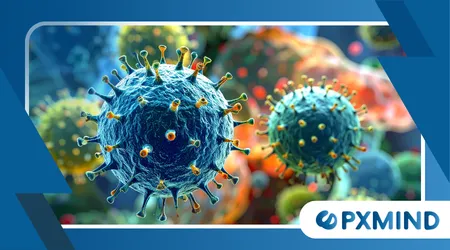
Understanding the central nervous system requires looking beyond neurons to the critical role of Astrocytes and Glial Cells in maintaining cognitive health and neural processing efficiency.
Anúncios
For decades, these cellular populations were dismissed as mere biological “packing peanuts,” but current research in 2026 reveals they are the true architects of the human brain’s complex, high-speed architecture.
Inside the Neural Architecture
- The Silent Revolution of Glia
- Defining the Scope of Astrocytes and Glial Cells
- The Blood-Brain Barrier’s Living Gatekeepers
- Why Astrocytes Dictate Synaptic Plasticity
- A Breakdown of Glial Subtypes
- Future Horizons in Neurodegeneration
- Practical FAQ
What are Astrocytes and Glial Cells?
To truly grasp how we think, we have to acknowledge that neurons are actually outnumbered and outmaneuvered by a supporting cast that holds the entire operation together.
Glia is a broad category, an umbrella for specialized workers like microglia and oligodendrocytes, but the star-shaped astrocytes are the ones currently rewriting our textbooks on executive function.
These cells aren’t just background noise; they act as the brain’s “smart grid,” managing calcium signaling and directing blood flow to whichever region is currently processing a difficult task.
By releasing gliotransmitters, they modulate the very intensity of our thoughts, which suggests that our intellectual capacity might actually depend on glial health rather than just neuronal count.
How do glial cells protect the blood-brain barrier?
The sanctity of the brain depends on a rigorous filtration system, and this is where these cells perform their most protective, almost aggressive, biological work.
Astrocytic “end-feet” wrap tightly around cerebral blood vessels, forming a physical and chemical seal that decides exactly what gets to touch your neurons and what stays out.
When this barrier falters, we see the onset of “leaky brain” syndromes and chronic neuroinflammation, which are often the hidden precursors to mood disorders and cognitive fatigue.
Effective glial function also drives the glymphatic system—essentially the brain’s dishwasher—which flushes out metabolic debris like amyloid-beta during the hours we spend in deep sleep.
Detailed molecular mapping of these protective layers is available through the Allen Institute for Brain Science, where the 2026 cellular census provides a deep dive into cortical gene expression.
Why are astrocytes essential for synaptic plasticity?
Neuroplasticity—the brain’s uncanny ability to rewire itself after trauma or during learning—isn’t a solo act by neurons; it is a collaborative performance.
Astrocytes physically cradle the synapse, the tiny gap where neurons talk, ensuring that neurotransmitters like glutamate don’t linger too long and cause toxic “noise” or cellular burnout.
They also act as biological sculptors, secreting specific proteins that signal the brain to build new connections or, perhaps more importantly, prune away the weak ones.
++ How Brain Age Gap Models Reveal Hidden Brain Health
This constant editing process is what keeps our neural pathways lean and efficient, proving that a sharp mind is as much about what the brain removes as what it keeps.
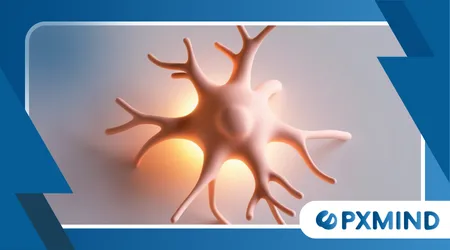
Decoding the Glial Workforce
Our understanding of brain health has shifted from a “neuron-only” focus to a more holistic view of how these different cells interact to maintain homeostasis.
Read more: How the Brain Prioritizes Information Without You Noticing
The following data highlights the specialized roles that define our internal cognitive environment.
| Cell Type | Primary Function | Impact on Brain Health |
| Astrocytes | Metabolic support and synapse regulation | Enhances learning and memory retention |
| Microglia | Immune defense and waste removal | Prevents chronic neuroinflammation |
| Oligodendrocytes | Myelin sheath production | Increases signal transmission speed |
| Ependymal Cells | CSF production and circulation | Maintains intracranial pressure balance |
Which breakthroughs link these cells to longevity?
Current clinical trials are moving away from treating neurons directly and are instead focusing on “glial priming” to fight diseases like Alzheimer’s at the source.
The goal is to jumpstart the metabolic pathways of these support cells, essentially teaching an old brain to clean itself as efficiently as a young one does.
++ Overlearning Myth: When Repetition Stops Being Effective
There is a burgeoning field of research into how astrocytic support in the motor cortex could halt the progression of ALS and other degenerative conditions.
As we move through 2026, the medical community is finally embracing the idea that to save the neuron, we must first master the environment created by the glia.
The long-standing bias toward neurons is fading, replaced by a sophisticated understanding of how the brain’s “support staff” actually runs the show.
By safeguarding the blood-brain barrier and refining the very structure of our synapses, these cells serve as the primary regulators of our long-term biological resilience. To ignore them is to ignore the foundation of human intelligence.
For a deeper exploration of the latest peer-reviewed glial research and emerging neuro-technologies, consult Nature Neuroscience, the authoritative source for cellular discovery and clinical breakthroughs.
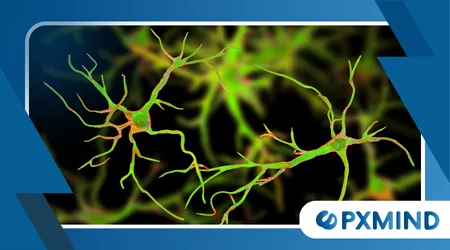
Frequently Asked Questions
What happens if glial cells stop working?
The brain effectively loses its “janitorial” and “security” services, leading to a rapid buildup of toxins, unchecked inflammation, and the eventual death of neurons.
Can you increase the health of your astrocytes?
While you can’t easily force cell growth, you can optimize their function through consistent circadian rhythms, high-intensity interval training, and maintaining a diet rich in polyphenols.
Are glial cells only found in the brain?
No, specialized versions exist throughout the peripheral nervous system, providing the necessary insulation for nerves that control everything from your heartbeat to your fingertips.
Do these cells influence mental health and mood?
Absolutely; astrocytic dysfunction is increasingly linked to clinical depression, as these cells are responsible for vacuuming up excess neurotransmitters that regulate emotional stability.
++ Once Considered Mainly ‘Brain Glue,’ Astrocytes’ Power Revealed
